Walk into any golf retailer and you’re faced with a dizzying choice: complete box sets, build-your-own sets, premium individual clubs, used options, and prices ranging from $200 to $3,000. Beginners often make expensive mistakes — buying blades because they look cool, skipping hybrids because “real golfers use irons,” or spending $2,000 on clubs they can’t hit. This guide cuts through the confusion. You’ll learn exactly which type of set suits your budget, skill level, and long-term goals. No marketing hype. Just practical advice from someone who has tested everything from $199 beginner boxes to tour-level custom builds.
The Three Types of Golf Club Sets
Every golf club set falls into one of three categories. Complete box sets include everything: driver, fairway woods, hybrids, irons, wedges, putter, and usually a bag. Brands like Callaway, Wilson, Strata, and Tour Edge offer these for $300-$800. Partial sets (half-sets) include 7-9 clubs instead of the standard 14, perfect for absolute beginners or those who carry. Custom or build-your-own sets let you choose each club individually, typically costing $1,000-$3,000. There’s also the used or component route — buying previous-generation or pre-owned clubs at significant discounts. Each approach has a clear winner depending on your situation.
Complete Box Sets: Best for Absolute Beginners
If you’ve never played golf or shoot over 100, buy a complete box set. The value is unbeatable. A $500 box set from Callaway or Wilson contains everything you need to play for two to three years. Yes, the clubs are slightly lower quality than $1,500 individual clubs. But as a beginner, you won’t notice the difference — and you won’t have to make 14 separate purchasing decisions. The best box sets in 2026 include the Callaway Strata Ultimate (best overall, 16 clubs including bag), the Wilson Profile SGI (best value, extremely forgiving), and the Tour Edge Bazooka 470 (best for seniors or slower swing speeds). Box sets are designed with game improvement features: oversized heads, wide soles, lightweight shafts, and high launch angles. They’re exactly what beginners need. The only downside? You’ll likely outgrow them in two to three years — which is fine because by then you’ll know exactly what you want in a custom set.
Partial Sets and Half-Sets: The Minimalist Choice
Not everyone needs 14 clubs. In fact, beginners are often overwhelmed by too many options. A half-set typically includes: driver or 3-wood, 5-iron, 7-iron, 9-iron, sand wedge, and putter — 6 to 7 clubs total. Brands like Precise, Confidence Golf, and Wilson offer half-sets for $150-$300. The advantage? You learn to hit each club well instead of being confused by 14 choices. Many teaching pros recommend half-sets for the first six months. You can always add clubs later. The Tour Edge Half Set is excellent, and the Wilson Ultra Plus half-set includes a bag and stands under $250. For juniors, seniors, or anyone with back issues, a lightweight half-set makes the game more enjoyable. You genuinely don’t need a full 14-club set to break 100 — or even 90.
Build-Your-Own: Best for Serious Improvement
Once you’re shooting below 95 consistently and taking lessons, consider building a custom set. You’ll buy clubs individually or in small packs. The standard modern setup includes: driver (9-10.5°), fairway wood (3-wood or 5-wood), 2-3 hybrids (3H, 4H, 5H), irons 6-PW, gap wedge (50°), sand wedge (54-56°), lob wedge (58-60°), and putter. This sounds expensive — and it can be — but you can space purchases over time. Start with driver, hybrid, 7-iron, sand wedge, and putter. Add clubs every few months. The advantage: every club suits your swing. You’re not stuck with a box set’s mediocre driver or putter. For budget builders, the Maltby component brand offers excellent clubheads you can assemble yourself. Previous-generation models from Callaway, TaylorMade, and Ping are deeply discounted when new models arrive. A custom set doesn’t have to cost $2,000 — but it will cost more than a box set.
Used and Previous-Generation Sets: The Smart Money Move
Here’s a secret that low-handicappers know: a three-year-old premium driver performs almost identically to this year’s model, but costs one-third as much. The same applies to irons. You can buy a full set of used Callaway Mavrik or TaylorMade SIM2 Max irons for $300-$400. Add a used driver for $150, a used putter for $50, and you have a premium setup for under $700 — less than many box sets. Where to shop? Callaway Pre-Owned is the gold standard (they certify and warranty clubs). GlobalGolf and 2nd Swing are also reliable. eBay works but requires more knowledge. Avoid “refinished” or “counterfeit” deals that seem too good to be true. The sweet spot: buy irons that are 2-4 years old, driver that is 1-3 years old, and a putter that can be from any era (putter technology barely changes). Even tour pros often play irons that are several generations old.
What Clubs Do You Actually Need?
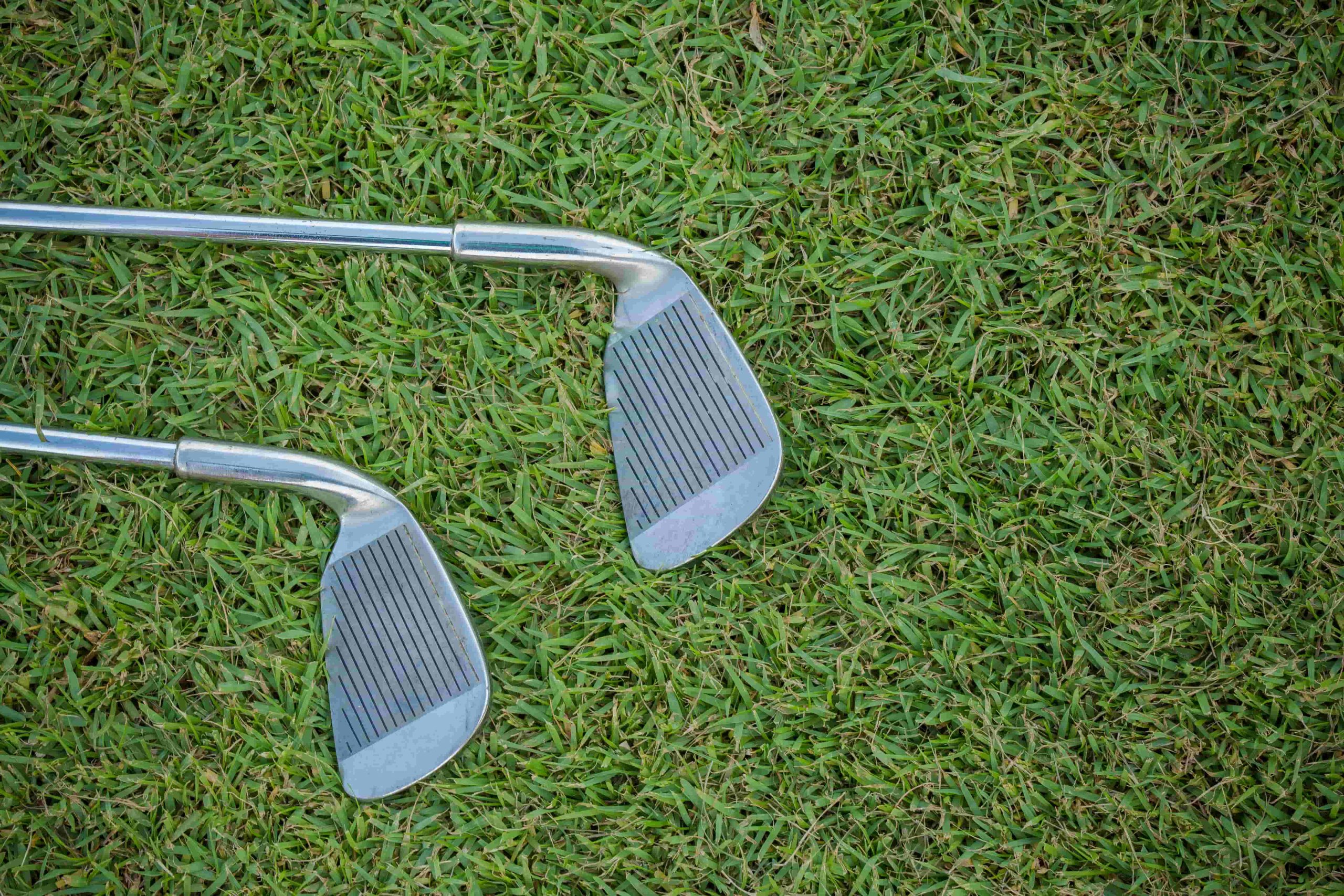
Beginners don’t need 14 clubs. Here’s what you actually need vs. what marketing wants you to buy. Must-haves: driver or 3-wood (off the tee), one hybrid (easier than long irons), 5 or 6-iron, 7 or 8-iron, 9-iron, pitching wedge, sand wedge (54-56°), putter. That’s 8 clubs — plenty to play any course. Nice-to-haves (add later): 4-iron or second hybrid, gap wedge (50°), lob wedge (58-60°), fairway wood (5-wood or 7-wood). Avoid as a beginner: 2 or 3-iron (extremely hard to hit), 60°+ lob wedge (leads to chunks and skulls), specialty driving iron. The worst mistake is buying a full 14-club set and carrying clubs you never use. Start minimalist. Add clubs when you have a specific shot you can’t hit with your current set.
Men’s vs. Women’s vs. Junior Sets
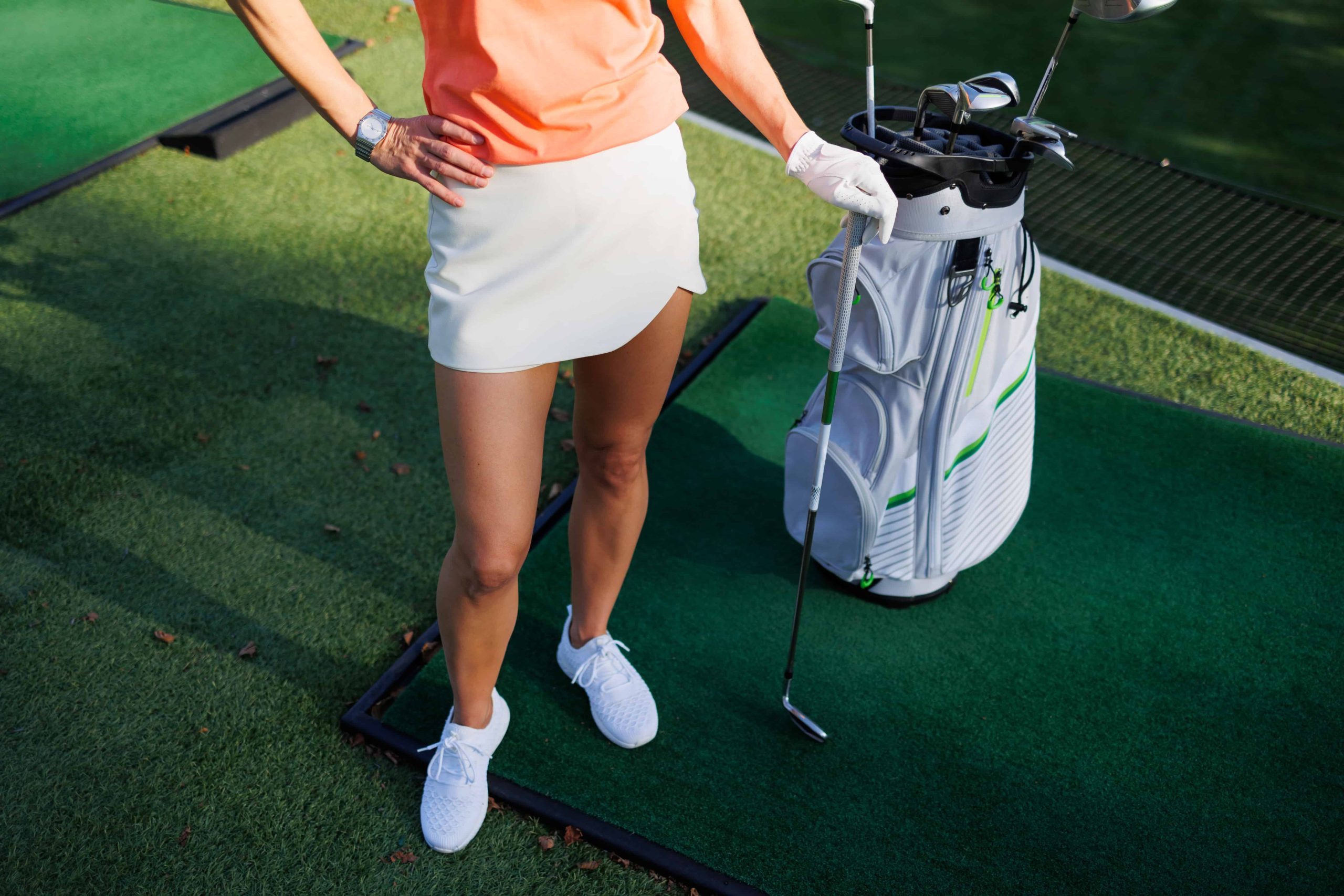
Club sets are not unisex. Women’s sets feature shorter shafts, lighter overall weight, smaller grips, and higher lofts (more launch). Junior sets are sized by height and age. Buying the wrong type makes the game unnecessarily hard. A man using a women’s set will struggle with shafts that are too flexible and short. A woman using a men’s set will struggle with clubs that are too heavy and long. Top women’s box sets: Callaway Strata Women’s, Wilson Profile SGI Women’s, Tour Edge Bazooka Women’s. Top junior sets: US Kids Golf (best quality, sized by height), Wilson Junior, Precise Junior. For seniors, look for “senior flex” or “light” shafts and ultra-lightweight clubs like the Tour Edge Bazooka Senior line. Never force an ill-fitting set — it ruins the fun and teaches bad swing habits.
Budget Breakdown: How Much Should You Spend?
Your budget should match your commitment level. $150-$300 (absolute beginner, unsure if you’ll stick with golf): Used half-set or entry-level box set like Wilson Ultra or Precision. $300-$600 (committed beginner playing 10+ rounds per year): Quality box set like Callaway Strata or Wilson Profile SGI. $600-$1,000 (improving player, 20+ rounds per year): Used premium set (Callaway Pre-Owned) or previous-generation custom build. $1,000-$2,000 (dedicated golfer, taking lessons): New custom build with fitting, mixing new driver and used irons. $2,000+ (low handicap or serious competitor): Full custom fitting with premium shafts, pro-level clubs. Never spend $1,000+ on clubs as a brand-new beginner. You don’t know your swing yet. Start cheap, improve, then invest.
The Box Set vs. Custom Set Decision Tree
Still unsure? Answer these three questions. First, what’s your handicap? If you don’t know or it’s over 25, buy a box set. Second, have you had a professional fitting? If no, buy a box set or used — don’t spend big money without a fitting. Third, do you play more than 30 rounds per year? If yes, consider a custom set. If no, a box set or used premium set is fine. The truth is that a box set like the Callaway Strata will serve you well until you’re consistently breaking 90. At that point, you’ll have earned the right to get fitted. Many golfers never outgrow a good box set — they simply want something newer or shinier. There’s no shame in playing a complete set. Some of the lowest handicaps at local courses play Tour Edge box sets.
Five Brands to Trust (And Two to Avoid)
Stick with these proven brands for complete sets and individual clubs: Callaway (best box sets and premium), TaylorMade (excellent drivers and irons), Ping (most forgiving irons), Wilson (best value box sets), Tour Edge (best for seniors and budget builders). For component build-your-own, Maltby and Golfworks are reliable. Avoid no-name Amazon sets with generic branding — they use poor-quality materials that will break. Avoid “tour pro” knockoffs sold on eBay or Facebook Marketplace; they’re counterfeit and illegal for USGA play. Also be cautious with very cheap ($99) complete sets from department stores; the shafts often bend permanently within months. A golf club set is an investment in enjoyment, not just equipment. Cheap poorly made clubs make the game frustrating. A decent box set for $300 is the floor for quality.
The bottom line on which golf club set to buy: Absolute beginners should buy a complete box set in the $300-$600 range — Callaway Strata or Wilson Profile SGI are the top recommendations. You get everything you need, no decisions required, and the clubs are forgiving enough to learn on. Improving players (15-25 handicap) should consider used premium sets or previous-generation custom builds; you’ll get better performance for the same money as a new box set. Low handicaps and serious players need a full custom fitting and should expect to spend $1,200+. The biggest mistake is overspending early or buying clubs that don’t fit your skill level. Start with a box set, learn to play, then upgrade. And remember: the best clubs in the world won’t fix a bad swing. Spend your money on lessons first, clubs second.