
Walk onto any golf course dressed incorrectly and you risk being sent home to change — or at minimum, feeling uncomfortable and out of place. Golf has a unique dress code that balances tradition, performance, and comfort. But the rules vary by course type, weather, and personal style. This guide covers everything you need to know about golf attire: what’s required, what’s acceptable, what’s forbidden, and how to dress for any condition. From collared shirts and golf shorts to rain gear and proper socks, you’ll learn how to look the part while staying comfortable for all 18 holes.
The Universal Dress Code: What Every Course Requires
While specific rules vary, almost every golf course follows these basic requirements. Collared shirts: Men must wear a shirt with a collar (polo-style) tucked into pants or shorts. Turtlenecks and mock necks are sometimes acceptable at high-end courses. T-shirts, tank tops, and athletic jerseys are never allowed. Golf pants or shorts: Shorts must be bermuda length (just above the knee). Pants should be casual dress pants or golf-specific performance pants. Jeans are prohibited at most courses (except very casual municipal courses). Cargo shorts, sweatpants, and athletic tights (worn as outerwear) are generally not allowed. Golf shoes: Soft spikes (plastic) or spikeless shoes are required. Metal spikes are banned on almost every course. Running shoes and casual sneakers are often prohibited. Belts: A belt is required whenever pants or shorts have belt loops. This is strictly enforced at private clubs. Women have more flexibility but still need collared or appropriate golf tops and approved shorts or skirts.
Course Tiers: Public vs. Private vs. Resort
Dress codes vary significantly by course type. Municipal/public courses: Most relaxed. Collared shirt is still standard, but some allow mock necks or nice athletic polos. Jeans without rips are sometimes permitted. Sneakers may be allowed in dry conditions. Still, avoid t-shirts and gym shorts. Semi-private and daily fee courses: Standard golf attire strictly enforced. Collared shirt tucked in, golf shorts or pants, golf shoes, belt. No jeans, no cargo shorts, no t-shirts. Private country clubs: Strictest dress codes. Collared shirt tucked in at all times. No shorts with cargo pockets. Specific color restrictions in some cases (no neon, no denim-looking fabrics). Specific sock requirements (white socks only). Hat forward-facing only. Some require collared shirts to have sleeves (no sleeveless for men). Resort courses: Usually more relaxed than private clubs but enforce basic standards. Match the level of the resort — high-end resorts are closer to private club rules. When in doubt, call the pro shop ahead of time. It’s better to ask than to be turned away at the first tee.
Men’s Golf Attire: Complete Breakdown
Men have a straightforward but specific dress code. Shirts: Performance polos in cotton-poly blends or technical fabrics. Avoid 100% cotton (absorbs sweat, stays wet, chafes). Popular brands: Nike Golf, Adidas, Under Armour, FootJoy, Peter Millar. Colors: almost any except black (absorbs heat) and white (shows sweat). Patterns and stripes are fine. Pants: Lightweight, stretchy fabric in khaki, grey, navy, or black. Avoid dress slacks (no stretch) and denim. Brands: Lululemon ABC pant, Bonobos Highland Tour, Nike Flex. Shorts: Above the knee (typically 7-9 inch inseam). Khaki, navy, grey, black. No cargo pockets. Belts: Leather or woven fabric with a standard buckle. Avoid oversized belt buckles (college fraternity style). Socks: Athletic socks that cover the ankle (no-show socks are often prohibited) — white, black, or matching shorts color. Hats: Baseball caps (forward-facing), visors, or bucket hats. Backwards hats are generally not allowed at private clubs.
Women’s Golf Attire: Performance and Style
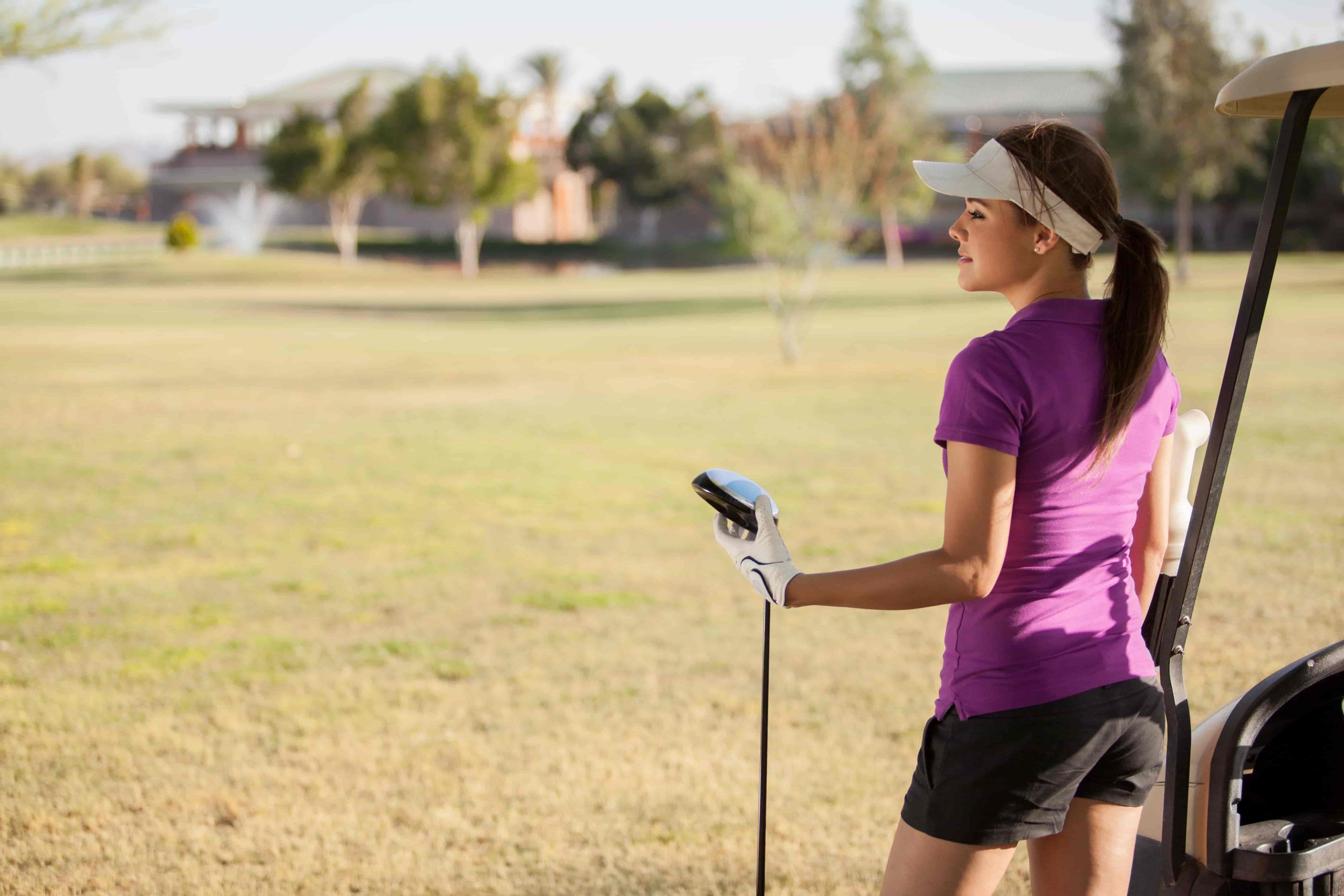
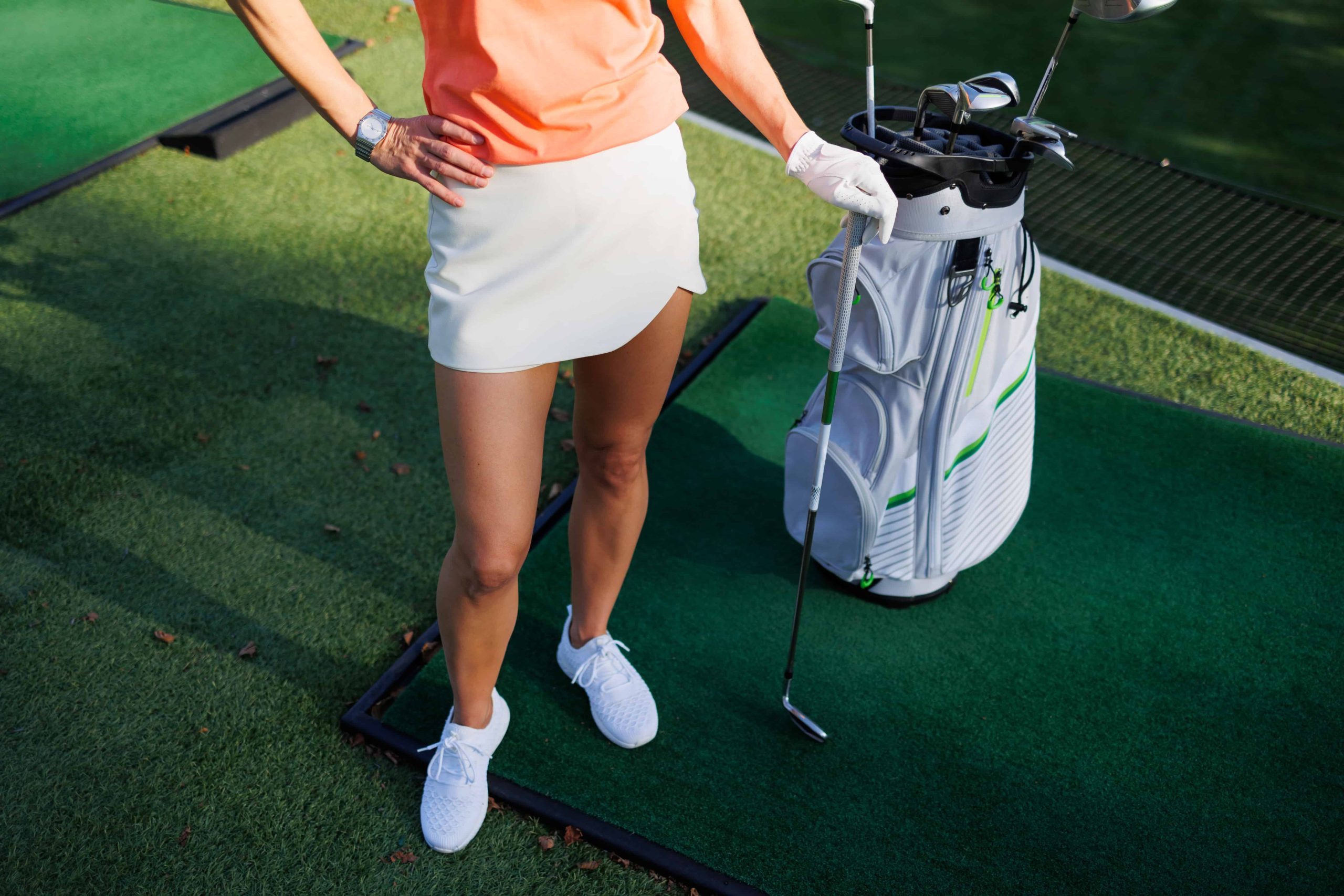
Women have more flexibility but still face clear guidelines. Tops: Collared polos, sleeveless golf shirts with a collar, or stylish mock necks. Many women’s golf tops are collarless but have a tailored, feminine fit — these are generally acceptable. Avoid tank tops, sports bras as outerwear, and plunging necklines. Skorts and dresses: Very common and accepted. Skorts should be fingertip length or longer. Golf dresses are worn with built-in shorts or compression shorts underneath. Golf shorts and pants: Similar to men’s but with slimmer fits. No cargo shorts, no low-rise that reveals undergarments. Leggings: Controversial. Many courses allow leggings only if paired with a skirt or shorts over them. Leggings as standalone pants are often prohibited at traditional clubs. Socks: No-show socks are more commonly allowed for women. Athletic socks still preferred at stricter clubs. Hats: Visors, baseball caps, wide-brim sun hats all acceptable. Like men, hats should face forward.
Seasonal Golf Wear: Heat, Cold, and Rain
Different seasons require different strategies. Summer heat (85°F+): Lightest possible fabrics — polyester or nylon blends. White and light colors reflect heat. Short sleeves and shorts. Wide-brim hat or visor for shade. UV-protective sleeves if you burn easily. Moisture-wicking undershirt. Cooling towel around your neck between shots. Winter/cold (40-55°F): Layering is everything. Base layer: thermal undershirt and thermal pants (Uniqlo Heattech, Under Armour Base). Mid layer: long-sleeve polo or golf sweater. Outer layer: lightweight insulated vest or quarter-zip pullover. Winter golf gloves (two gloves, not one). Beanie or winter hat. Hand warmers in pockets. Rain: Waterproof jacket and pants (not just water-resistant). Look for Gore-Tex or similar. Rain gloves (tacky material that grips when wet). Waterproof golf shoes (leather or Gore-Tex). Umbrella (large 62″+). Extra towel to keep grips dry. Transition seasons (spring/fall): Layering with removable pieces. A vest over a long-sleeve polo is versatile. Pants instead of shorts. Rain jacket in the bag just in case.
Golf Shoes Deep Dive: Spiked vs. Spikeless, Leather vs. Synthetic
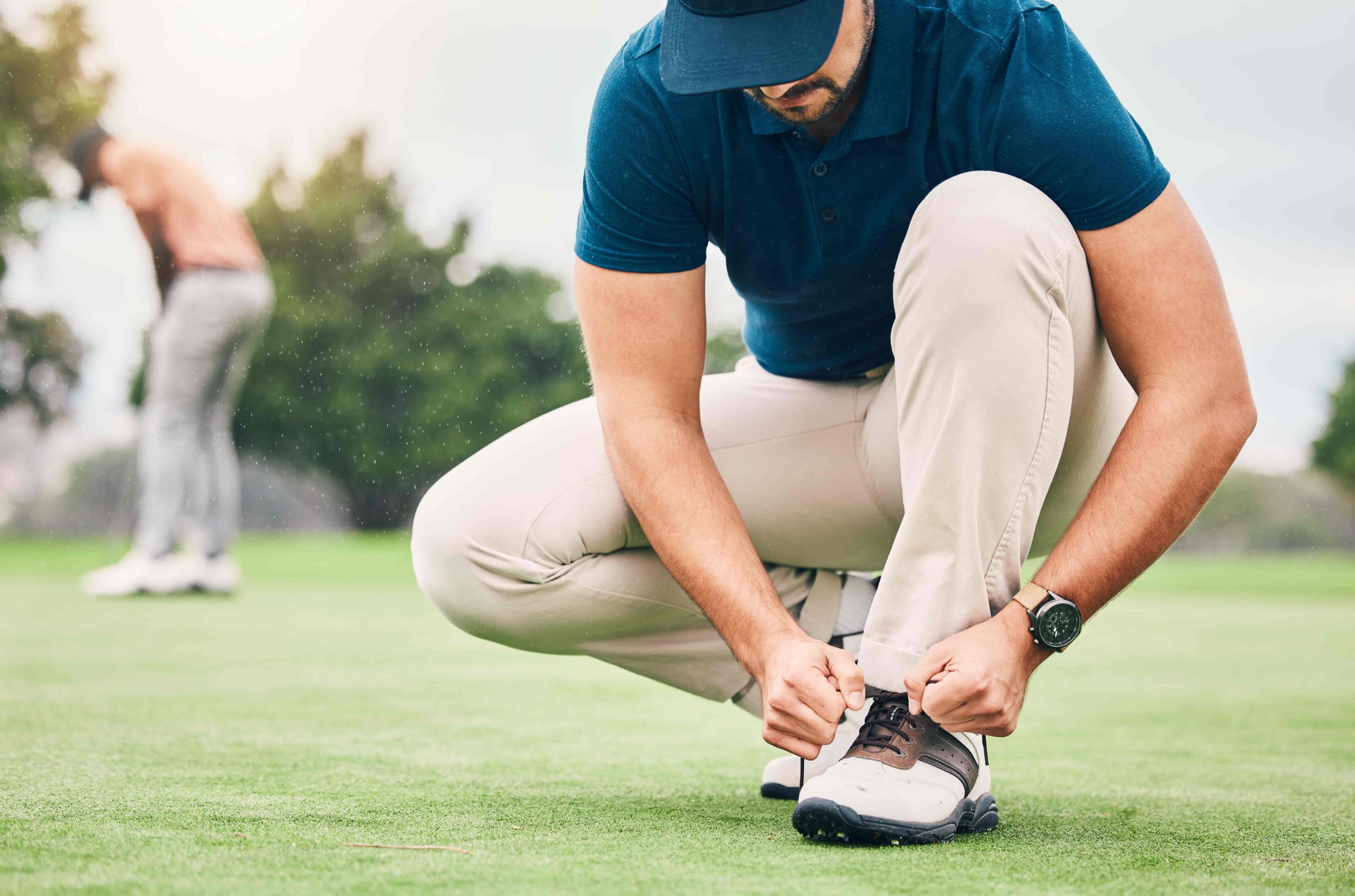
Your shoe choice affects traction, comfort, and course compliance. Spiked shoes: Best traction in wet conditions and on hills. Replaceable soft spikes (cleats) should be changed every 15-25 rounds. Brands: FootJoy Pro SL, Adidas Tour360, Puma Ignite. Spikeless shoes: More comfortable for walking, no cleats to replace, can be worn to and from the course. Slightly less traction in wet grass. Brands: ECCO Biom, Adidas Codechaos, New Balance Fresh Foam. Leather vs. synthetic: Leather (full-grain) offers best waterproofing and durability but costs more ($200+). Synthetic (microfiber, mesh) is lighter, dries faster, and cheaper ($80-150). Breaking in shoes: Wear new shoes around the house and for a practice session before playing 18 holes. Never wear brand-new shoes for a competition round. Course restrictions: Metal spikes are banned everywhere. Some very wet courses require spiked shoes. Check the course website or call ahead if you’re unsure.
What Never to Wear on a Golf Course
This list will get you sent home or cause embarrassed looks. Jeans of any kind (even dark wash) — prohibited at most courses. Cargo shorts or pants — the bulging pockets are considered unprofessional. T-shirts, tank tops, or sleeveless shirts for men — collared shirts required. Gym shorts, basketball shorts, or sweatpants — not golf attire. Running shoes, casual sneakers, or hiking boots — golf shoes with soft spikes or spikeless golf shoes only. Metal spike golf shoes — banned course-wide for green preservation. Flip-flops or sandals — never, not even on the practice putting green. Hats worn backwards — most private courses forbid this. Excessively torn or ripped clothing — beyond casual distress. Visible underwear or sagging pants — self-explanatory. Shirts with offensive logos or slogans — keep it family-friendly.
Best Golf Apparel Brands by Category
These brands consistently deliver quality, style, and performance. Best overall for men: Nike Golf (best technology), Peter Millar (best style for private clubs), Lululemon (most comfortable pants). Best overall for women: Lululemon (ABC pants), Athleta (golf-ready skorts and tops), Nike and Adidas (solid performance wear), Skirt Sports (skort specialists). Best budget golf wear: PGA Tour Superstore’s in-house brand, Walter Hagen, Amazon Essentials golf line, Target’s All in Motion golf collection. Best premium for men: Greyson, G/FORE, Ralph Lauren Golf, Linksoul, TravisMathew. Best for rain gear: Galway Bay (best value), Zero Restriction (premium), Sun Mountain, FootJoy RainReady. Best for cold weather: Under Armour ColdGear base layers, Nike Therma-FIT, FootJoy sweaters, Peter Millar quarter-zips. Best shoes: ECCO (comfort), FootJoy (tour standard), Adidas (style + boost foam), New Balance (wide sizes).
Packing for a Golf Trip: The Essentials Checklist
Heading to a golf resort or multiple-course trip? Pack smart. Per round: Two collared shirts (one for each 18-hole round, plus one extra in case of rain/swear). Two pairs of shorts or pants (rotate them). One belt. One pair of golf shoes (wear them on the plane to save luggage space). Half-dozen balls per round. Extras: Rain jacket and pants (non-negotiable for any trip). Sweater or quarter-zip for cool mornings. Two extra pairs of socks per day. Hat (plus a second hat in case the first gets soaked). Sunscreen and insect repellent. For 3+ rounds: Laundry strategy — hand-wash golf shirts in the hotel sink and hang overnight. Or bring 4-5 shirts. Shoes: only one pair needed but bring extra cleats. If flying: Ship your clubs via ShipSticks or use a hard-sided travel case. Remove adjustable clubheads and pack them in your carry-on. Shoes and balls go in your checked luggage or travel case. Pro tip: Call the resort ahead for specific dress code expectations — some require jackets for dinner in the clubhouse, even if the course is casual.
How to Look Like You Belong (Without Spending a Fortune)
You don’t need $200 polos and $150 shorts to look appropriate. Shop end-of-season sales: Buy winter gear in March (70% off), summer gear in September. Outlets and discount stores: Nike Factory Store, Adidas Outlet, PGA Tour Superstore clearance racks. TJ Maxx and Marshalls often have golf polos for $20. Used golf apparel: Poshmark, eBay, and Facebook Marketplace for barely worn premium brands. Basics strategy: Black or navy pants/shorts (match everything). Three neutral polos (white, navy, grey). One belt. One pair of classic white golf shoes. That’s enough for most casual and semi-private courses. What to spend on: Shoes (most important for comfort, $100-150 minimum). Rain gear (buy once, cry once — cheap rain gear leaks). What to save on: Shirts (a $25 polo plays as well as a $100 polo). Socks (any athletic socks are fine). Hats (grab cheap ones at the course). The goal is to look neat and clean, not win a fashion show. Tuck in your shirt, wear a belt, keep your hat forward, and you’ll already look better than half the weekend hackers.
The bottom line on golf wear: Follow the universal three rules — collared shirt tucked in, golf-specific shorts or pants (no jeans or cargo), and proper golf shoes. Private clubs add more restrictions (no shorts with cargo pockets, no backward hats, specific sock colors). Public courses are more relaxed but still expect a collared shirt and golf shoes. When in doubt, call the pro shop and ask. The most common mistake is assuming a casual course allows gym wear or sneakers — most don’t. Invest in one solid outfit (two polos, one pair of shorts, one pair of pants, one pair of shoes, belt) for under $200 if you shop sales. You’ll be comfortable, you’ll look appropriate, and you’ll avoid the embarrassment of being turned away at the first tee. Golf is a traditional sport with standards — embrace them, and you’ll feel like you belong from the moment you arrive.