You’ve bought your clubs, grabbed some balls, and booked your first tee time. But show up without the right accessories, and you’ll be miserable within three holes. Blistered hands, soaked feet, lost balls, and no idea where your ball went. The golf industry sells hundreds of gadgets, but you only need about a dozen essential accessories to play comfortable, efficient golf. This guide separates must-haves from nice-to-haves, reveals which accessories actually improve your game, and warns you about the ones that end up in the garage after one use. From gloves and shoes to rangefinders and training aids, here’s exactly what every golfer needs — and what you can skip.
The Non-Negotiable Essentials: Gloves, Shoes, and Balls
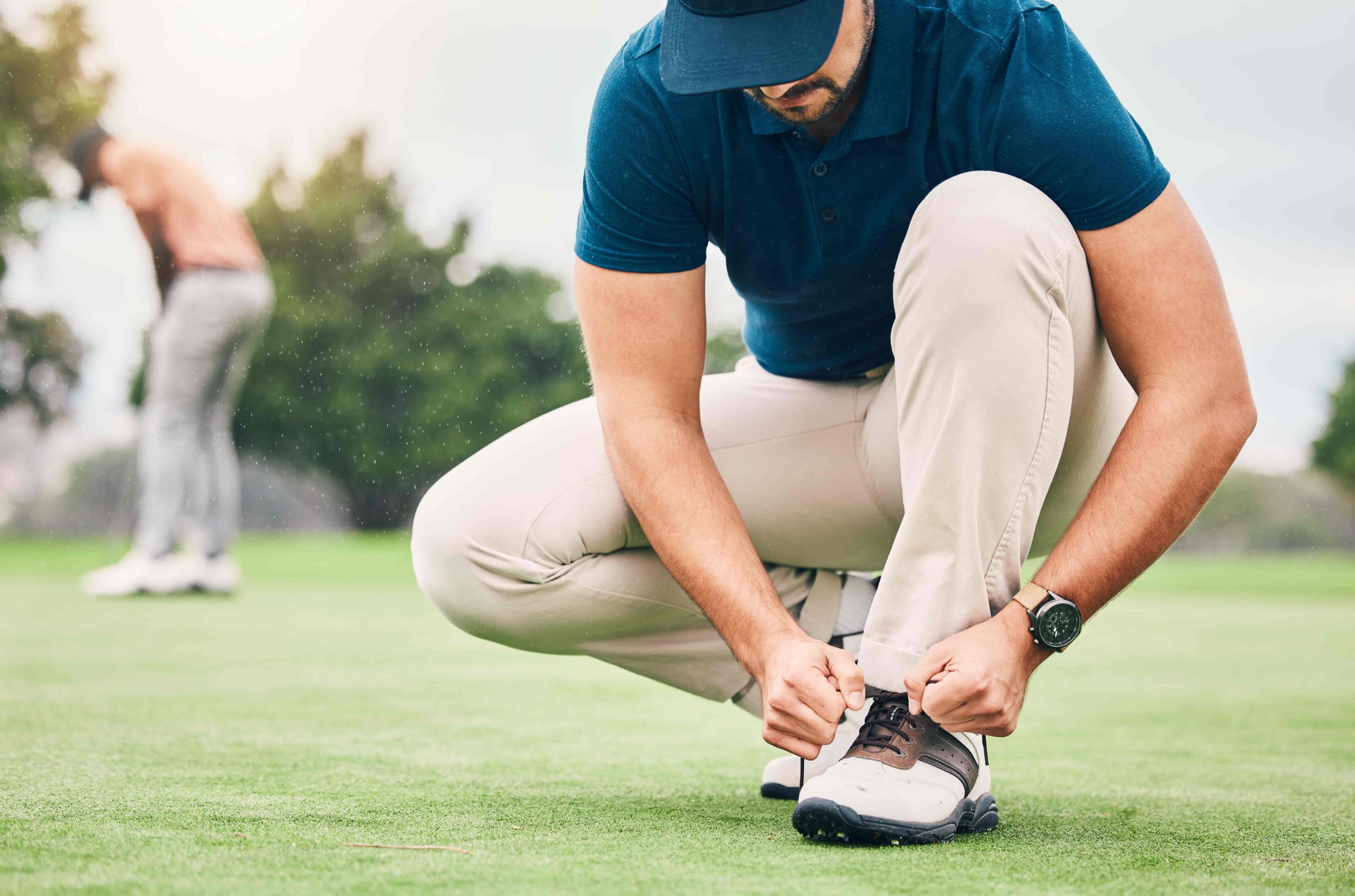
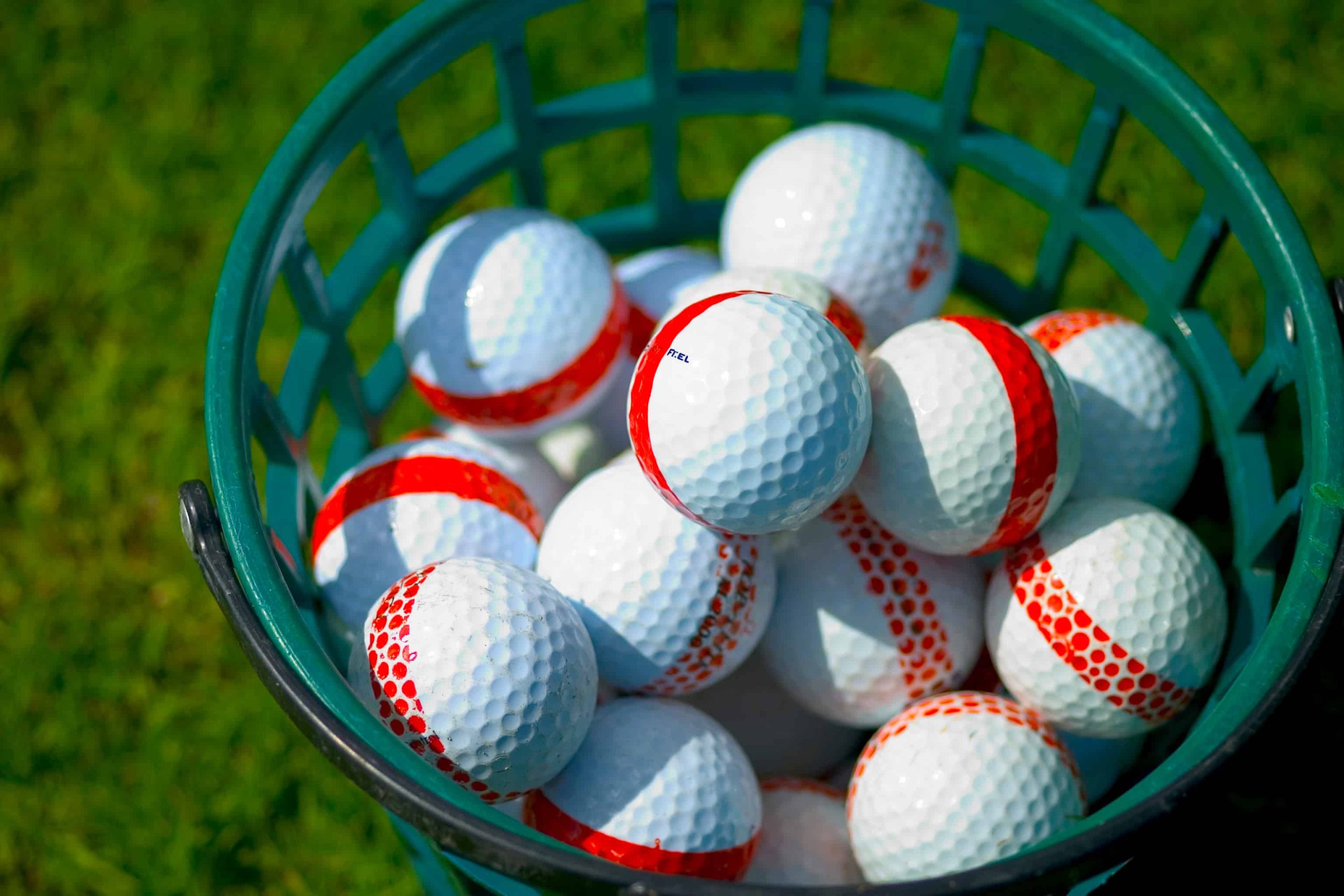
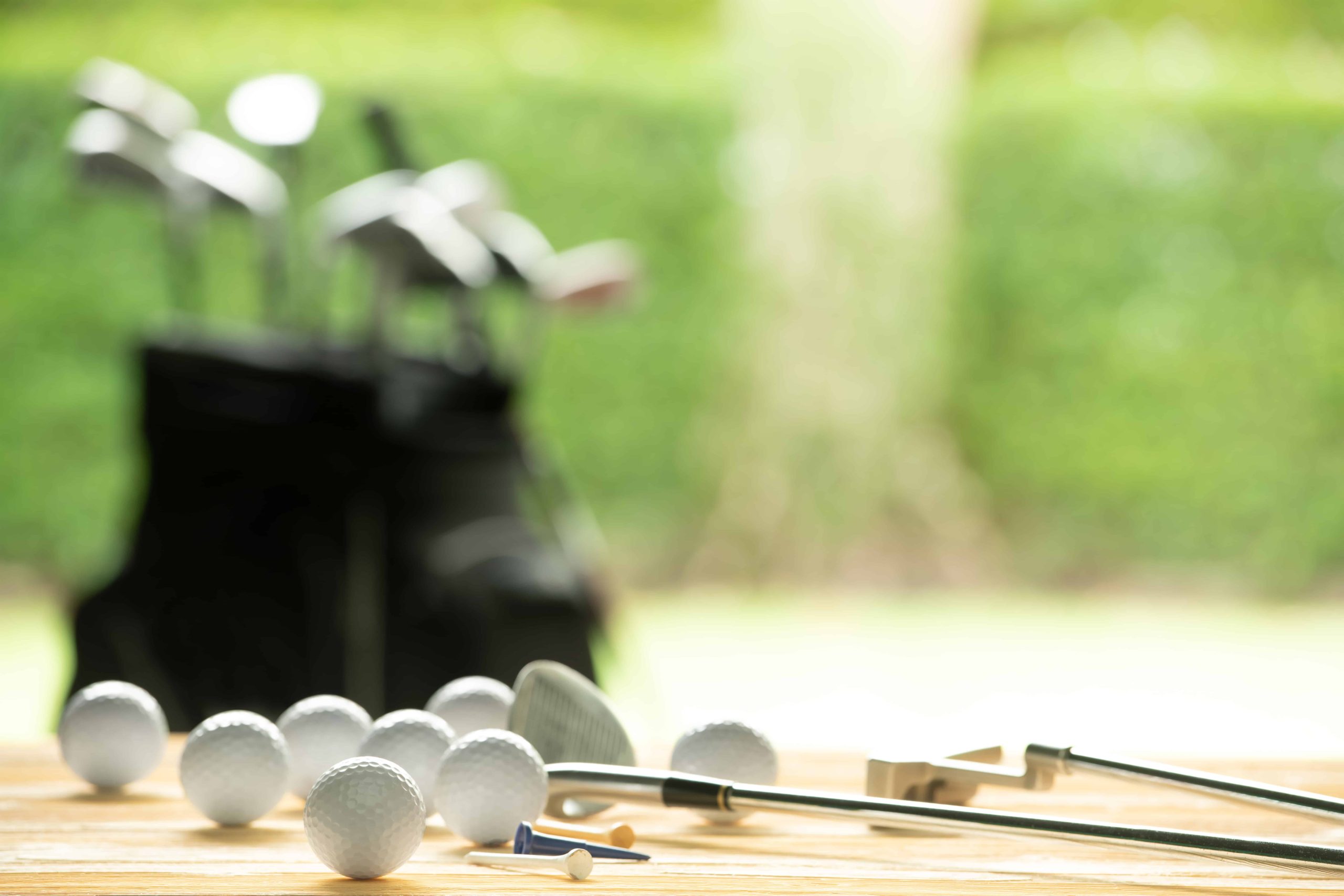
Three accessories are not optional. Golf glove: You need at least one quality leather glove. The glove improves grip, prevents blisters, and absorbs sweat. The FootJoy WeatherSof is the best value ($12-15). Titleist Players Glove offers premium cabretta leather for $25. Replace your glove every 10-15 rounds or when the palm becomes slick. Pro tip: buy two and rotate them between holes to let sweat dry. Golf shoes: Never play in running shoes. You need proper traction and stability. Spiked shoes (soft spikes) offer best grip in wet conditions. Spikeless shoes are more comfortable for walking and acceptable in dry conditions. FootJoy, Ecco, and Adidas lead the category. Budget $60-$150. Golf balls: You’ll lose 3-6 balls per round as a beginner. Buy inexpensive but consistent balls like Callaway Supersoft, Wilson Duo Soft, or Kirkland Signature. Never play premium tour balls as a beginner — you’re just donating $4 to the woods. Carry at least 9 balls in your bag.
The Bag Itself: Carry, Push, or Cart?
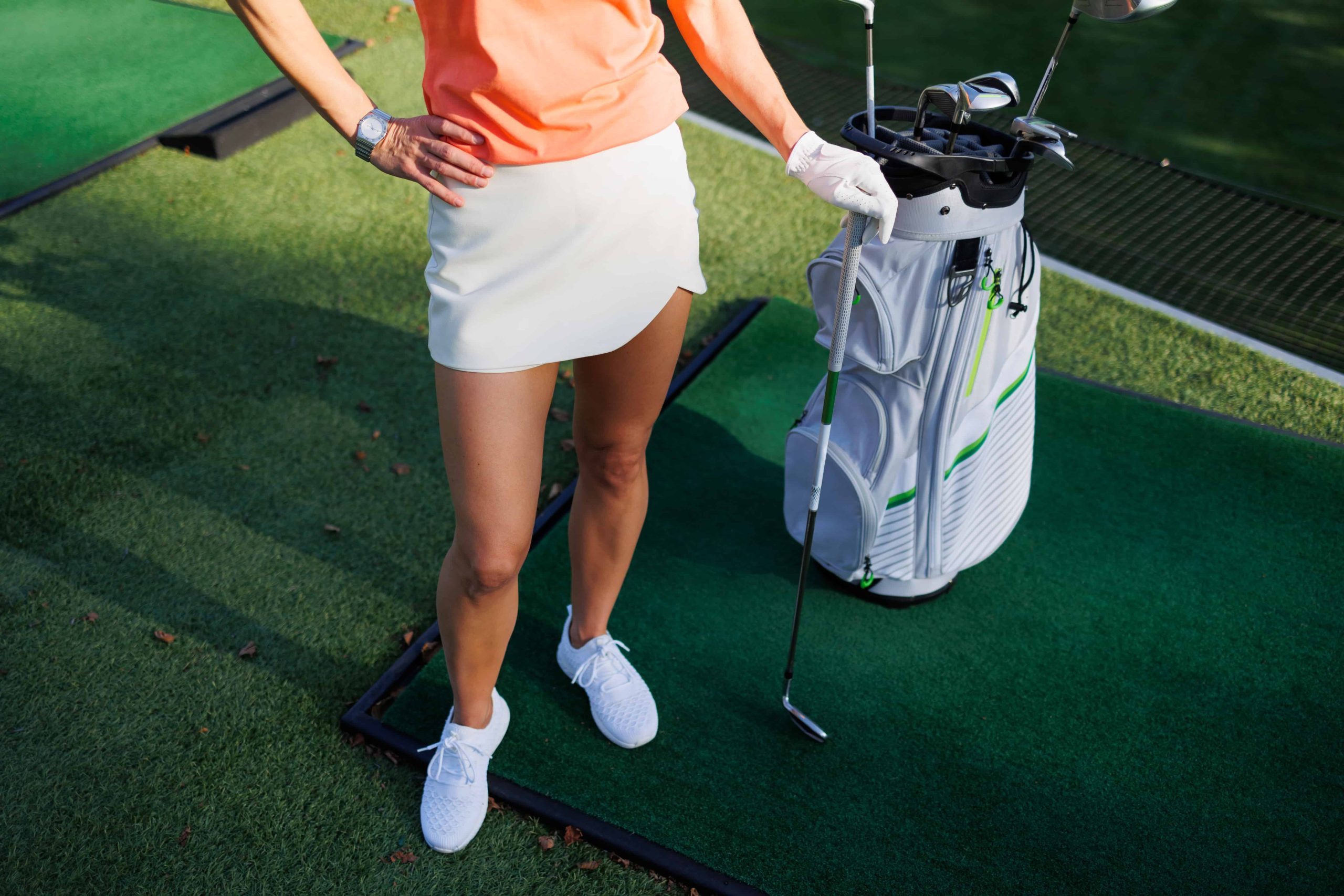
Your bag is your home on the course. Choose based on how you’ll play. Carry bags (stand bags) weigh 3-5 pounds and have built-in legs. Best for walkers who play 9 holes or hilly courses. Ping Hoofer and Sun Mountain 4.5 LS are gold standards. Cart bags weigh 6-10 pounds, have more pockets, and are designed to sit on a motorized cart. Best for riders. Tour bags are huge, heavy, and unnecessary for amateurs. Push carts (trolleys) are accessories worth considering separately — they let you walk without carrying. Clicgear, Bag Boy, and Motocaddy make excellent push carts. If you walk and carry, prioritize lightweight (under 4 lbs) and comfortable straps. If you ride, prioritize pocket layout and club organization. Beginners are often best served with a reasonably priced stand bag under $150 like the Callaway Fairway or TaylorMade Select.
Range Finders vs. GPS Watches: Which One Do You Need?
Knowing distances is essential for scoring. You have two main options. Laser rangefinders give exact distance to any target you can see (pin, tree, bunker lip). Most accurate option. Bushnell, Blue Tees, and Precision Pro dominate this category. Expect to spend $150-$400. Key features: slope adjustment (legal for practice, illegal in tournament play), vibration on pin lock, and magnetic attachment to cart bars. GPS watches give distances to front, middle, and back of green from anywhere on the course. No need to aim at anything. Garmin, Shot Scope, and Bushnell make excellent GPS watches for $150-$300. The best option? Both, but if you can only buy one, beginners benefit more from a GPS watch because it’s simpler and provides hazard distances automatically. The Garmin S42 or Shot Scope V5 are excellent entry points. Never play without distance measuring — guessing distances costs 5-10 strokes per round.
Alignment Sticks and Training Aids That Actually Work
Training aids can transform your practice — or collect dust. Here are the ones worth buying. Alignment sticks ($10 for a pair) are the single best value training aid. Place them on the ground to check your alignment at address and your swing path. Every pro uses them. Impact tape or foot spray powder ($8) shows exactly where you’re striking the ball on the clubface — essential for diagnosing mishits. Putting mirror ($20-40) checks your eye position and shoulder alignment for putting. Tour Strike Pro ($80) teaches proper forward shaft lean at impact — but only buy if you’ve had lessons and need to fix scooping. Avoid most swing gadgets with moving parts and wild claims. The simple tools (sticks, tape, mirror) are the most effective because they give you feedback without changing your swing artificially. Skip the “automatic” trainers and buy lessons instead.
Apparel: What to Wear (And What Never to Wear)
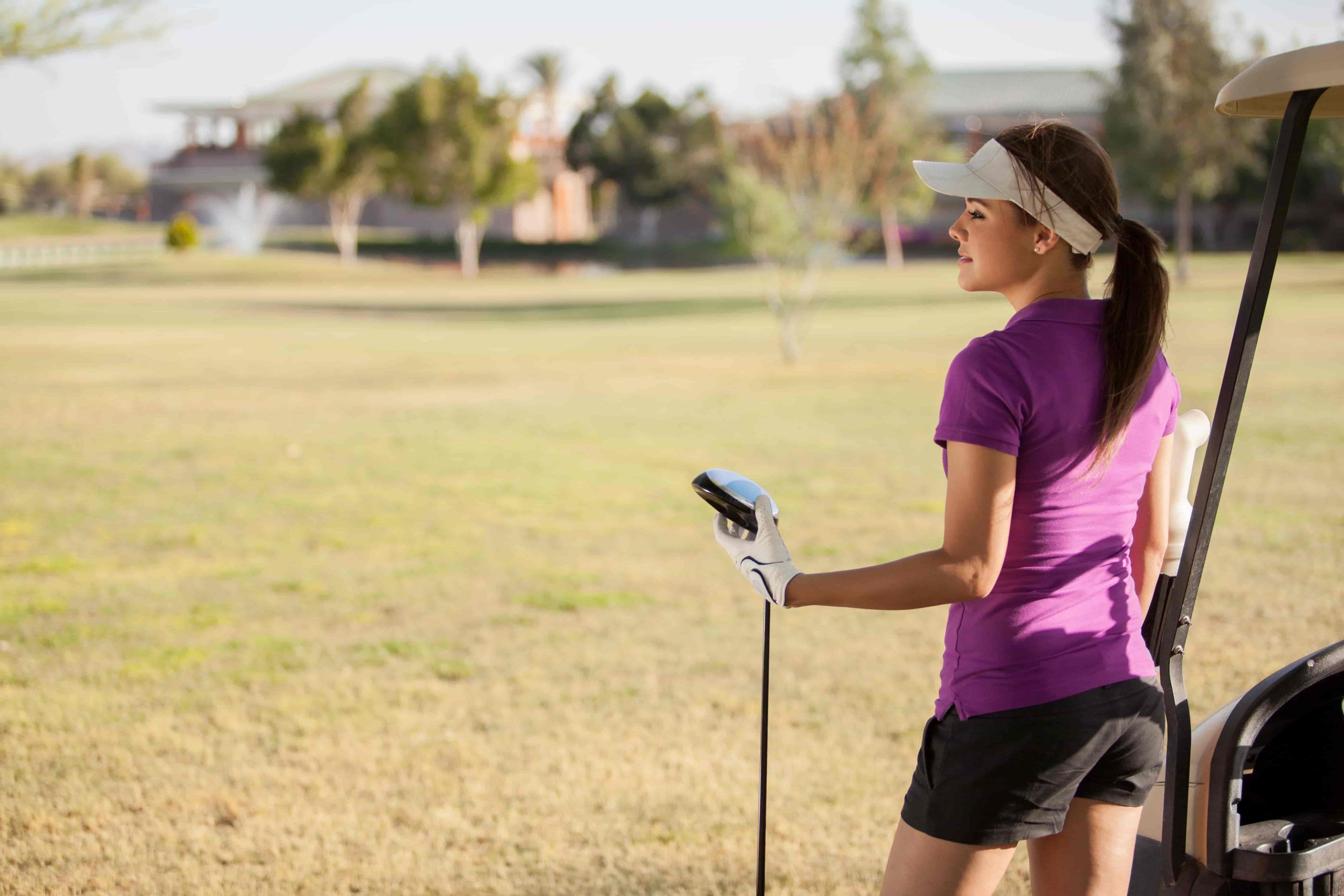
Golf has dress codes, but comfort matters too. Collared shirts (polo shirts) are required at most courses. Performance fabric (polyester blend) wicks sweat better than cotton. Nike, Adidas, Under Armour, and Puma make excellent golf polos for $30-$80. Golf pants or shorts should have some stretch and be appropriate length (shorts should be just above the knee). Jeans, athletic sweatpants, and cargo shorts are generally not allowed on nicer courses. Belt — always wear one; most courses require it. Hat or visor — essential for sun protection and sweat management. Socks — moisture-wicking athletic socks. Never wear: metal spikes (illegal on most courses), tank tops, t-shirts (unless a very casual course explicitly allows them), or flip-flops. Rain gear is not strictly necessary as a beginner but becomes essential if you play in unpredictable climates. A lightweight rain jacket from Gore-Tex or Galway Bay is a solid investment.
Ball Markers, Divot Tools, and Tees
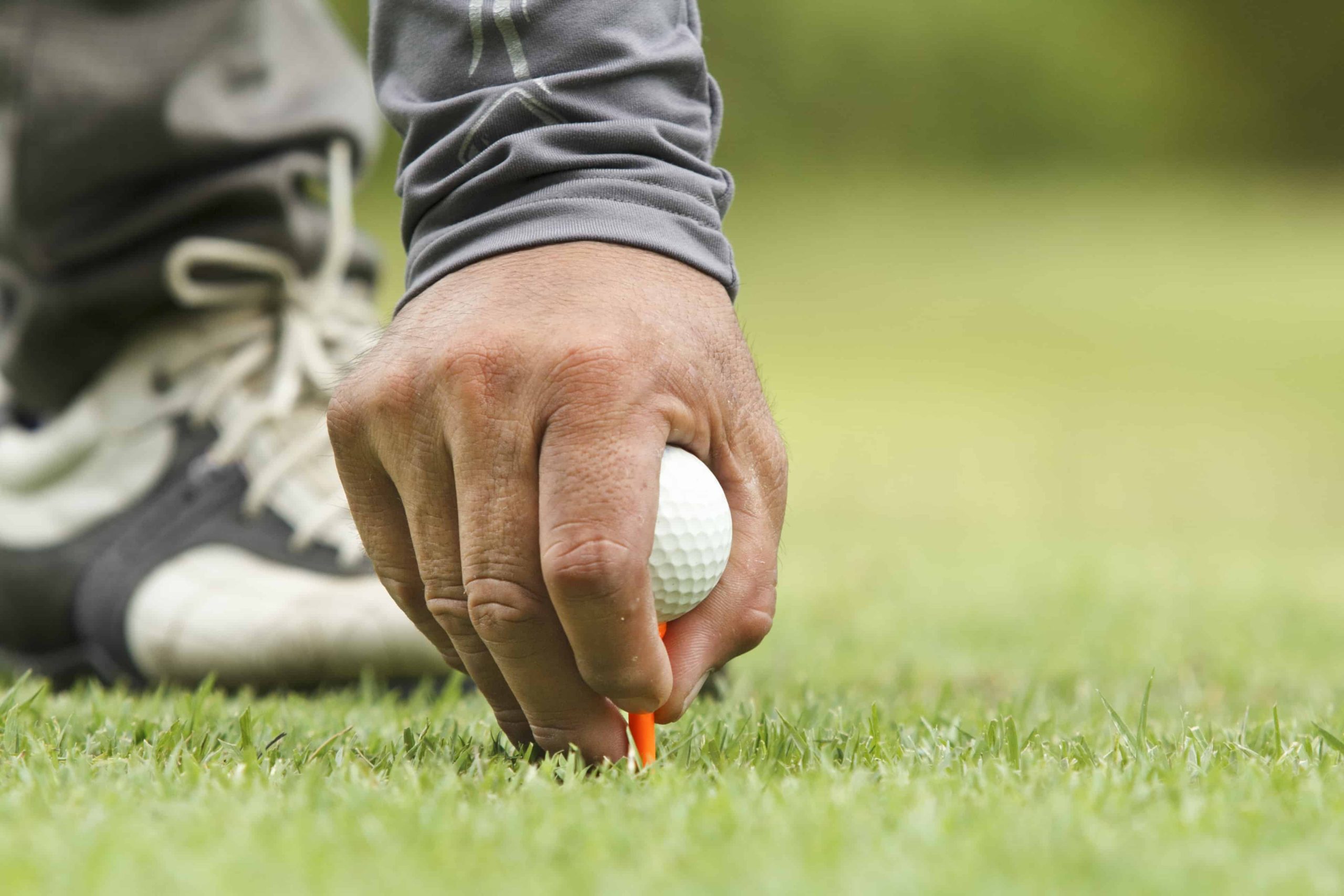
Small accessories that you’ll use every hole. Ball markers: Any small, flat coin works. Poker chips are too thick and can affect other players’ putts. Magnetic ball markers that clip to your hat are convenient. Divot repair tools (pitchforks) are required etiquette — you must repair your ball marks on greens. Many tools include a magnetic ball marker. A standard two-prong tool costs $3. Golf tees: Carry at least 20. Standard length (2.75 inches) for driver, shorter tees (1.5 inches) for irons and hybrids. Plastic tees last longer than wood. Pride Professional Tee System is the standard. Brush or towel: Clean your clubfaces after every shot. A groove brush ($5) and a clip-on towel ($10) keep your clubs performing. Never be the player who doesn’t clean their clubs — grime in the grooves kills spin and distance.
Sunscreen, Rain Gear, and Weather Protection
Golf is an outdoor sport played in the sun — sometimes in rain. Sunscreen (SPF 30+ waterproof) is non-negotiable. Skin cancer rates are higher among golfers than almost any other sport. Apply before every round and reapply at the turn. Umbrella — a large 60-inch+ golf umbrella provides sun and rain protection. Gustbuster and Titleist make wind-resistant models. Rain gloves — two gloves (left and right) made of tacky material that grips better when wet. FootJoy RainGrip and Titleist Perma-Soft are excellent. Waterproof jacket and pants — if you play more than 20 rounds per year in a rainy climate, buy a quality rain suit. Zero Restriction, Galway Bay, and Sun Mountain lead this category. Avoid plastic ponchos — they shred and trap sweat. Hand warmers — reusable chemical warmers for cold weather rounds. Your hands cannot grip properly when cold.
First Aid, Snacks, and Hydration
Golf is athletic. Treat it that way. Water bottle or hydration pack: Dehydration kills concentration and swing mechanics. Carry at least 32 ounces and drink every few holes. Many bags have insulated bottle sleeves. Snacks: Energy bars, nuts, bananas, or peanut butter crackers. Blood sugar crashes cause fatigue and mental mistakes. Eat something every 6 holes. First aid kit: Band-aids (for blisters), athletic tape, blister pads, aspirin, and allergy medication. Bug spray: Especially for morning or evening rounds. Ticks are a real concern on many courses. Lip balm with SPF: Sunburned lips are painful and preventable. These “non-golf” accessories often matter more for your score than any training aid. A hydrated, fed, protected player swings freely. A hungry, dehydrated golfer saps distance and makes dumb decisions.
Technology Accessories: Speakers, Shot Trackers, and More
Tech accessories are optional but can enhance enjoyment. Bluetooth speaker: Many courses allow low-volume music. Bose SoundLink Micro or JBL Clip attach to your bag. Keep volume low enough that you can hear others and they can’t hear you from 20 yards away. Shot tracking system: Shot Scope, Arccos, or Garmin sensors track every shot and provide detailed statistics. Arccos requires subscription ($120/year). Shot Scope has no subscription ($150-300 one-time). These systems help you identify weaknesses but are overkill for beginners. Portable charger: Your phone, GPS watch, and rangefinder all need power. A 10,000 mAh battery pack solves this. GoPro or phone mount: For swing video analysis. A simple Joby tripod ($20) allows you to film your swing from face-on and down-the-line. Skip expensive launch monitors like TrackMan or FlightScope as a beginner — they cost thousands and you won’t understand the data yet. A video camera and slow-motion playback is enough.
Accessories You Absolutely Do NOT Need
Save your money on these commonly sold but rarely used items: Club groove sharpeners (they damage clubs and are illegal for tournament play), Expensive clubhead covers beyond what comes with clubs (purely cosmetic), Swing weight scales (for club builders only), Electric ball washers (a wet towel does the same job), GPS watches with full-color course maps (basic distance is all you need), Lucky charms or alignment gadgets with moving parts, Putter fitting mirrors with laser lines (a $15 mirror does the same job). The golf industry is excellent at selling solutions to problems you don’t have. If an accessory promises to “instantly fix your slice” or “add 20 yards without practice,” it’s almost certainly worthless. Invest in lessons, not gadgets.
The bottom line on golf accessories: Focus on the essentials first: quality glove, proper golf shoes, reliable distance measurement (GPS watch or rangefinder), alignment sticks for practice, sun protection, hydration, and snacks. Build your accessory kit gradually. A new golfer needs a bag, balls, tees, glove, shoes, and a distance device — everything else can wait. The most common mistake is buying $500 worth of gadgets before playing a single round. Start minimal, identify pain points (blisters? lost balls? can’t read greens?), then buy accessories that solve your specific problems. And never forget: the best accessory you can own is a lesson from a qualified pro. No gadget will lower your scores as fast as fixing your grip and setup.