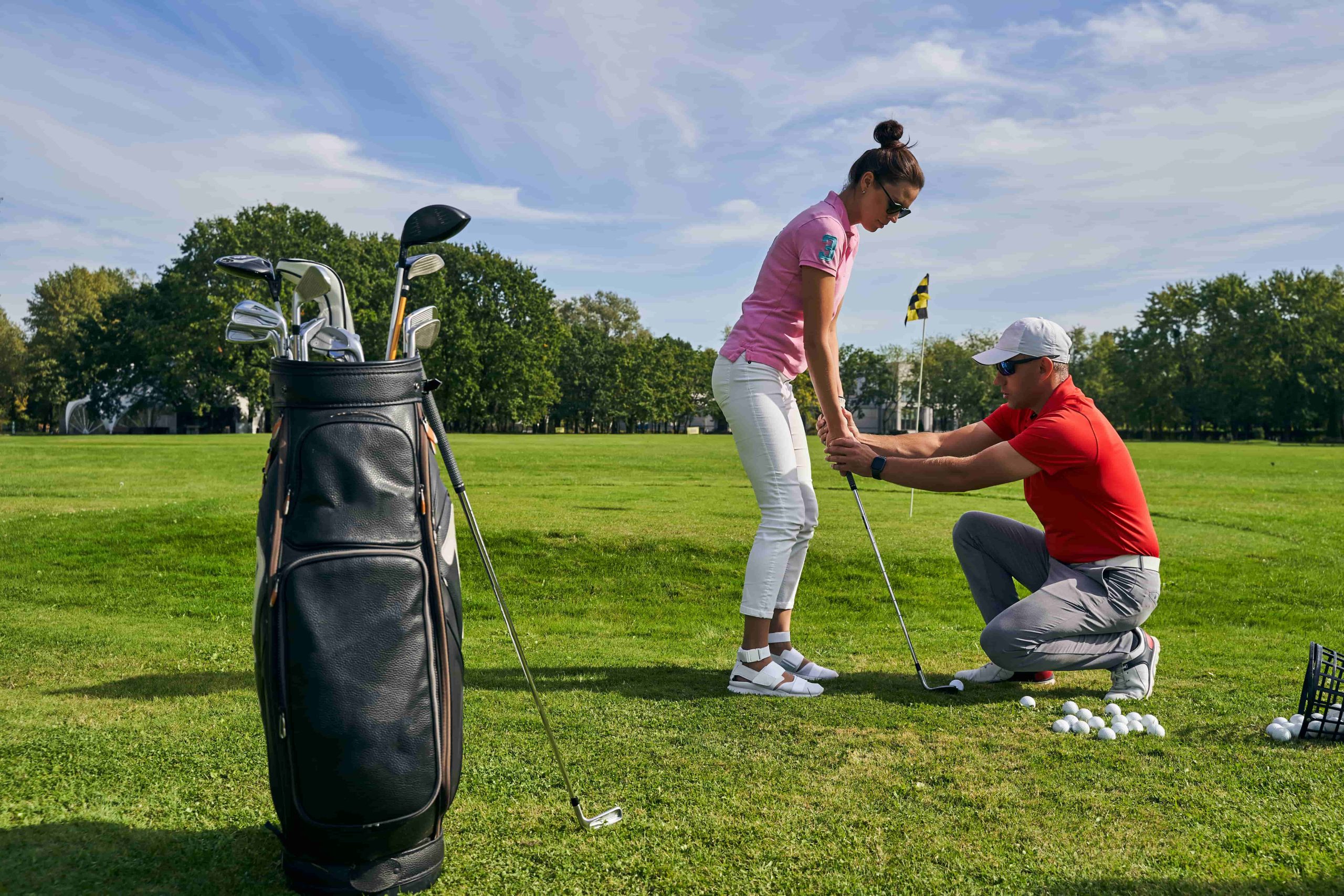

Walk into any golf shop and you’ll see drivers ranging from $200 to $600, iron sets from $400 to $1,500, and golf balls from $15 to $55 per dozen. The price gaps are enormous, but the performance gaps are often much smaller. This guide compares budget and premium golf equipment across every category—drivers, irons, wedges, putters, balls, and accessories. You’ll learn where spending more actually matters, where budget options are nearly as good, and how to build a high-performing bag without breaking the bank.
The Price-Performance Curve: Diminishing Returns
Golf equipment follows a classic diminishing returns curve. A $200 driver is dramatically better than a $50 starter driver. A $400 driver is noticeably better than the $200 option. But a $600 driver is only marginally better than the $400 option — the improvements are in feel, sound, and adjustability rather than raw distance or forgiveness. The sweet spot for value is the previous year’s premium model, which often sells for 30-50% less while performing identically to current year clubs. For irons, the curve is similar: budget sets ($400-600) are perfectly adequate for beginners, mid-range ($600-900) offer significant improvements, and premium ($1,000-1,500+) offer marginal gains for skilled players.
Drivers: Budget vs Premium Comparison
Budget pick ($200-300): Callaway Mavrik (previous generation) or TaylorMade SIM2 Max. These drivers were premium just 2-3 years ago and still perform excellently. Expect ball speeds within 2-3 mph of current models, forgiveness that rivals many new drivers, and adjustability features (movable weights, loft sleeves) at half the price. Premium pick ($500-600): Callaway Quantum Max or TaylorMade Qi4D LS. These offer the absolute latest technology: carbon fiber faces, AI-optimized shapes, and adjustable weight systems. You gain 3-5 yards and slightly tighter dispersion — meaningful for low handicaps, less noticeable for high handicaps. Verdict: Beginners and high handicaps should buy previous-generation premium. Low handicaps may benefit from current premium. No one needs to pay full retail for current year drivers — wait for sales or buy “like new” used.
Irons: Budget vs Premium Comparison
Budget pick ($400-700): Wilson Staff D9 or Cobra Air-X. These irons offer game improvement features (wide soles, perimeter weighting, low center of gravity) at reasonable prices. Performance is excellent for mid-to-high handicaps — you’ll get solid distance, forgiveness, and launch. The main compromises are less refined feel and slightly lower quality stock shafts. Mid-range ($700-1,000): Callaway Elyte or TaylorMade Qi. These offer premium performance at a slight discount (especially previous-year models). You’ll get better feel, more consistent distances, and higher-quality shafts. This is the sweet spot for most golfers. Premium ($1,200-1,500+): Mizuno Pro 245 or Titleist T200. Forged feel, tour-level precision, and extensive custom fitting options. The gains are in feel and workability — not distance or forgiveness. Verdict: Most golfers should buy mid-range or previous-year premium. Beginners should buy budget. Low handicaps may justify premium for feel and precision.
Wedges: Budget vs Premium Comparison
Budget pick ($80-120 each): Maltby M-Series (component) or Wilson Harmonized. These wedges perform adequately for beginners and high handicaps. The main compromises are less spin, fewer grind options, and lower-quality steel. Premium ($160-200 each): Titleist Vokey SM10 or TaylorMade MG4. Tour-level spin, 25+ grind and bounce combinations, and exceptional feel. Verdict: Wedges are one area where premium matters — but only for mid-to-low handicaps. Beginners don’t generate enough spin to benefit from premium wedges. A budget sand wedge is fine for getting out of bunkers. For players who hit 10+ greens per round and need to stop the ball, premium wedges are worth it.
Putters: Budget vs Premium Comparison
Budget pick ($50-100): Odyssey White Hot Pro (used) or Wilson Infinite. A used premium putter is better than a new budget putter. The White Hot insert is legendary — you can find these for under $100. Mid-range ($150-250): Cleveland Huntington Beach Soft or Odyssey Ai-ONE. Milled faces and excellent feel at half the price of Scotty Cameron. Premium ($400-500): Scotty Cameron Phantom X. Luxury feel, precision milling, and tour cachet. Verdict: Putters are about confidence. If a $50 used putter gives you confidence, it’s better than a $500 Scotty you don’t trust. Get fitted for length and lie angle — that matters more than brand. Most golfers should buy used premium putters or mid-range new putters.
Golf Balls: Budget vs Premium Comparison
Budget pick ($15-20/dozen): Kirkland Signature (Costco) or Wilson Duo Soft. Kirkland’s three-piece urethane ball delivers 90% of Pro V1 performance at 30% of the price. The only compromises are slightly less durability and lower quality control. Premium ($45-55/dozen): Titleist Pro V1 or TaylorMade TP5. Tour-level spin control, consistent flight, and exceptional feel. Verdict: Beginners and high handicaps should play budget balls exclusively — you lose too many to benefit from premium. Mid handicaps (10-15) should consider Kirkland or Vice Pro. Low handicaps (0-9) who generate enough spin benefit from premium balls. No one should pay full price for Pro V1s unless they rarely lose balls and compete regularly.
Complete Box Sets: Budget vs Premium
Budget box set ($200-400): Wilson Profile SGI or Precise M5. These include everything you need to start playing. Clubs are forgiving but basic — the driver will have less pop, the irons will feel clunky, and the putter will be basic. Perfect for absolute beginners who aren’t sure if they’ll stick with golf. Premium box set ($500-800): Callaway Strata Ultimate or Tour Edge Bazooka 470. Higher-quality components, better shafts, and more forgiving head designs. A beginner can play these for 3-5 years before upgrading. Verdict: If you’re brand new to golf and unsure of commitment, buy budget. If you know you’ll play regularly, buy premium or buy used individual clubs.
Where to Save Money (Without Sacrificing Performance)
These categories offer excellent budget options. Previous-year models: A 2-3 year old premium driver performs nearly identically to this year’s model. Search “Callaway Mavrik,” “TaylorMade SIM2,” “Ping G425.” Used clubs (buy from reputable sources): Callaway Pre-Owned, GlobalGolf, 2nd Swing. Certified pre-owned clubs are often in “like new” condition for 40-60% off retail. Direct-to-consumer balls: Vice, Kirkland, Cut. Premium performance at budget prices. Component brands (Maltby, GolfWorks): If you can assemble your own clubs (or pay a small fee), component clubs offer premium performance at budget prices. Previous season apparel: Last year’s polos and shorts are often 50% off. Performance fabric doesn’t expire.
Where Spending More Actually Matters
In these categories, premium is genuinely better. Golf shoes: Cheap shoes ($50-70) lack cushioning and support, leading to foot pain and back fatigue. Spend at least $100 for quality shoes from FootJoy, ECCO, or Adidas. Rain gear: Cheap rain suits ($50-80) leak and trap sweat, making you miserable. Spend $150-300 for Gore-Tex or comparable waterproof breathable fabrics. Club fitting: The $100-200 cost of a fitting is the best value in golf. Off-the-shelf clubs rarely fit. Lessons: $100-200 for an hour with a PGA pro improves your game more than any equipment upgrade. Always prioritize lessons over new clubs. Grips: Regripping your clubs ($5-10 per club) transforms feel and control. Worn grips cause gripping too tightly, leading to tension and mishits.
Building a Smart Bag on a Budget
Here’s a sample bag for $800-1,000 that performs near the premium level. Driver ($150-200): Previous-year premium (Callaway Mavrik, TaylorMade SIM2). Fairway wood/hybrid ($100-150): Same strategy — previous generation. Irons 5-PW ($300-400): Used mid-range (Callaway Rogue, TaylorMade M6). Wedges ($50-100 total): A used sand wedge (Cleveland RTX 4) and a matching gap wedge. Putter ($50-100): Used Odyssey White Hot or Ping Anser. Bag ($100-150): New stand bag from Costco or Amazon — feature-rich at low price. Balls ($30): Two dozen Kirkland Signature. This bag rivals a $2,500+ premium set in performance. The key is buying used and previous-generation. You give up nothing in distance and forgiveness while saving thousands.
The bottom line on budget vs premium golf equipment: Expensive doesn’t always mean better. Previous-year premium clubs perform nearly identically to current models at 30-50% less. Used clubs from reputable sources are in excellent condition. Budget golf balls (Kirkland, Vice) are excellent values. Where spending matters: club fitting ($100-200), quality golf shoes ($100+), lessons ($100+), and rain gear ($150+). Save money on drivers and irons (buy previous generation), wedges (unless you’re a low handicap), putters (used premium is better than new budget), and apparel (last season’s styles). The perfect bag doesn’t require a second mortgage. Smart shopping builds a high-performing set for under $1,000. And remember: no club can fix a bad swing. Spend your money on lessons first, equipment second. That’s the real secret to lower scores.