Golf retail aisles are filled with shiny objects promising to lower your score. Launch monitors, rangefinders, training aids, specialized putters, premium balls—the list is endless. But not all gear is worth your hard-earned money. Some products genuinely improve your game; others are expensive novelties. This guide cuts through the marketing hype to tell you exactly which golf gear is worth buying, which is worth skipping, and how to prioritize your spending based on your skill level and goals.
The Must-Have Gear (Worth Every Penny)
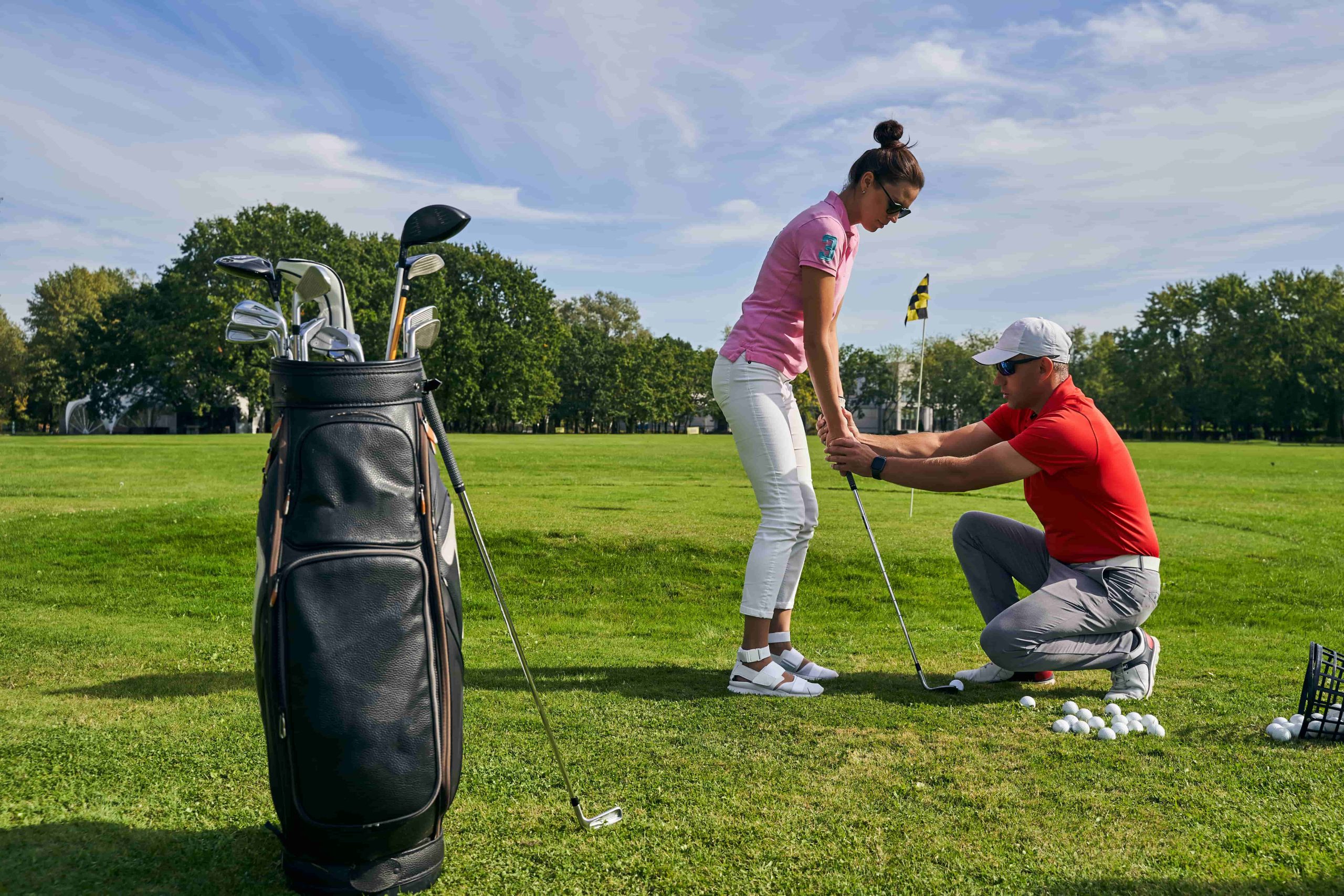
These items should be in every golfer’s bag. Lessons with a qualified pro: The single best investment. A good instructor fixes your swing flaws, not equipment. Properly fitted clubs (at least irons and driver): Off-the-shelf clubs rarely fit. A fitting costs $100-200 but adds accuracy and distance. Quality golf shoes: Golf-specific shoes provide traction and stability. You’ll walk 6-8 miles per round—don’t wear running shoes. A reliable distance-measuring device: GPS watch or rangefinder. Knowing exact distances saves 3-5 strokes per round. Performance golf gloves: A $15 glove improves grip and prevents blisters. Replace when worn. Alignment sticks: $10 for two. The best training aid for improving setup and swing path. Quick-drying, UV-protective clothing: Polos, shorts, and pants made of performance fabric. Cotton soaks sweat and restricts movement.
The Nice-to-Have Gear (Worth It for Avid Golfers)
These items improve your experience but aren’t essential. Push cart: $150-300. Walking instead of riding improves fitness and focus. A push cart saves your back. Range finder with slope: $200-400. The slope adjustment tells you “plays like” distance after accounting for elevation changes. (Illegal for tournament play but fine for casual rounds.) High-quality rain gear: $150-300 for jacket, $100-200 for pants. If you play in wet climates, this is essential. Personal launch monitor: $200-500 (PRGR, Rapsodo MLM2Pro). Knowing your carry distances transforms practice. Golf bag with good organization: $150-300. A stand bag for walkers, cart bag for riders. Dividers for clubs, insulated pocket for drinks. Heavy-duty golf towels: $15-25. Keep clubfaces and grips clean. Microfiber towels work best.
The “Maybe Later” Gear (Skip as a Beginner)
These items are unnecessary for new golfers. Premium tour balls (Pro V1, TP5): $50/dozen. Beginners lose too many balls and don’t generate enough spin to benefit. Play cheap balls ($15-25/dozen). Expensive putters ($400+): A $200 putter works as well. The difference is feel and aesthetics, not performance. Club groove sharpeners: They damage clubs and are illegal for tournament play. Electric cart accessories (coolers, speakers, fans): Add weight and complexity. A small cooler bag is cheaper. Swing analyzers (clip-on devices): They provide data without context. Video recording is more useful. Expensive headcovers beyond what comes with clubs: Purely cosmetic. Save your money.
Gear That’s Actively Not Worth Buying
Some products are gimmicks or even harmful. “Automatic” swing trainers (Swingyde clones, grip trainers): Most don’t work because they don’t address your specific flaw. Weighted clubs that are significantly heavier (training clubs): They can wreck your tempo. Swing path lasers that attach to clubs: They lie because your hands move during the swing. “Tour-proven” alignment rods at $30+ a pair: Use driveway markers from Home Depot for $3 each. Same thing. Expensive ball retrievers: You shouldn’t be fishing for balls that often. Magnetic watch bands that affect swing mechanics: Distracting and pointless.
By Skill Level: What to Buy First
Beginner (handicap 25+, new to golf): Lessons (1-5 sessions), starter box set or used clubs, glove, shoes, GPS watch or free app, a dozen mid-priced balls, a stand bag. High handicap (20-24): Add a putter fitting, a driver fitting, alignment sticks, a push cart, premium balls (call the cheap ones a “loss leader”). Mid handicap (12-19): Add a full club fitting (irons, wedges), launch monitor for practice (PRGR or Rapsodo), rain gear, rangefinder with slope, quality golf shoes (upgrade). Low handicap (6-11): Add a professional club fitting with shaft optimization, premium balls (committed), launch monitor with spin data (Rapsodo MLM2Pro or Mevo), specialized wedges (gap, lob, sand), practice net for home. Scratch or better (0-5): Full bag fitting including putter and driver, tour-level launch monitor (GCQuad, TrackMan), indoor simulator setup (if budget allows), premium training aids (PuttOut, Blast Motion, Exputt).
Brands Worth the Premium
Not all brands are equal. These consistently deliver quality and durability. Clubs: TaylorMade, Callaway, Titleist, Ping, Mizuno, Srixon, Cobra. Golf balls: Titleist (Pro V1 series), TaylorMade (TP5), Callaway (Chrome Soft), Vice (Pro series value). Shoes: FootJoy, ECCO, Adidas, Nike, New Balance (wide sizes). Apparel: Nike, Adidas, Under Armour, Peter Millar (premium), Lululemon (pants). Bags: Ping, Sun Mountain, Callaway, TaylorMade, Vessel (premium). GPS/Rangefinders: Garmin, Bushnell, Shot Scope (value), Blue Tees (value). Training aids: Alignment sticks (any brand), PuttOut (putting), Rapsodo (launch monitor), SuperSpeed (speed training).
How to Spot Overpriced Gimmicks
If a product makes any of these claims, be skeptical. “Add 20 yards instantly” — no club does this without improving your swing. “Tour proven” — meaningless marketing. “Used by PGA Tour pros” — often false or exaggerated (one pro used it once). “Revolutionary new technology” — beware of unsubstantiated claims. “Limited time offer” — classic pressure tactic. “Don’t miss out” — emotional manipulation. Instead, look for third-party reviews (MyGolfSpy, Golf Digest, YouTube testers). Compare prices across retailers. Ask your pro or knowledgeable playing partners. And remember: if it sounds too good to be true, it probably is. You cannot buy a golf game.
When to Buy: Seasonal Sales and Discounts
Timing your purchases saves significant money. Best time to buy clubs: Late summer (August-September) when new models arrive, previous-year models are discounted 30-50%. Best time for apparel: End of season (February for winter gear, September for summer gear). Best time for shoes: Black Friday, Cyber Monday, and end of winter (March). Best time for balls: Bulk purchases on Cyber Monday or Father’s Day sales; buy last year’s model at 50% off. Best time for GPS/rangefinders: Black Friday and Cyber Monday (20-30% off). Avoid buying: At the start of golf season (April-May) when prices are highest. At tournament venues (gouge pricing). When you’re emotionally invested after a bad round (impulse buys).
The bottom line on golf gear worth buying: Prioritize lessons and properly fitted clubs above all else. A $500 driver in the wrong flex hurts your game; a $200 properly fitted driver helps it. Next essential: quality golf shoes, a distance-measuring device, and performance apparel (moisture-wicking). A push cart, launch monitor, and rain gear are worth it for avid players. Avoid gimmicky training aids, premium balls if you lose them, and any product promising instant results. The best gear makes your practice more efficient and your rounds more comfortable. But nothing replaces good instruction and consistent practice. Spend your money where it matters—and always keep your sense of humor. Golf is hard. No gadget changes that.