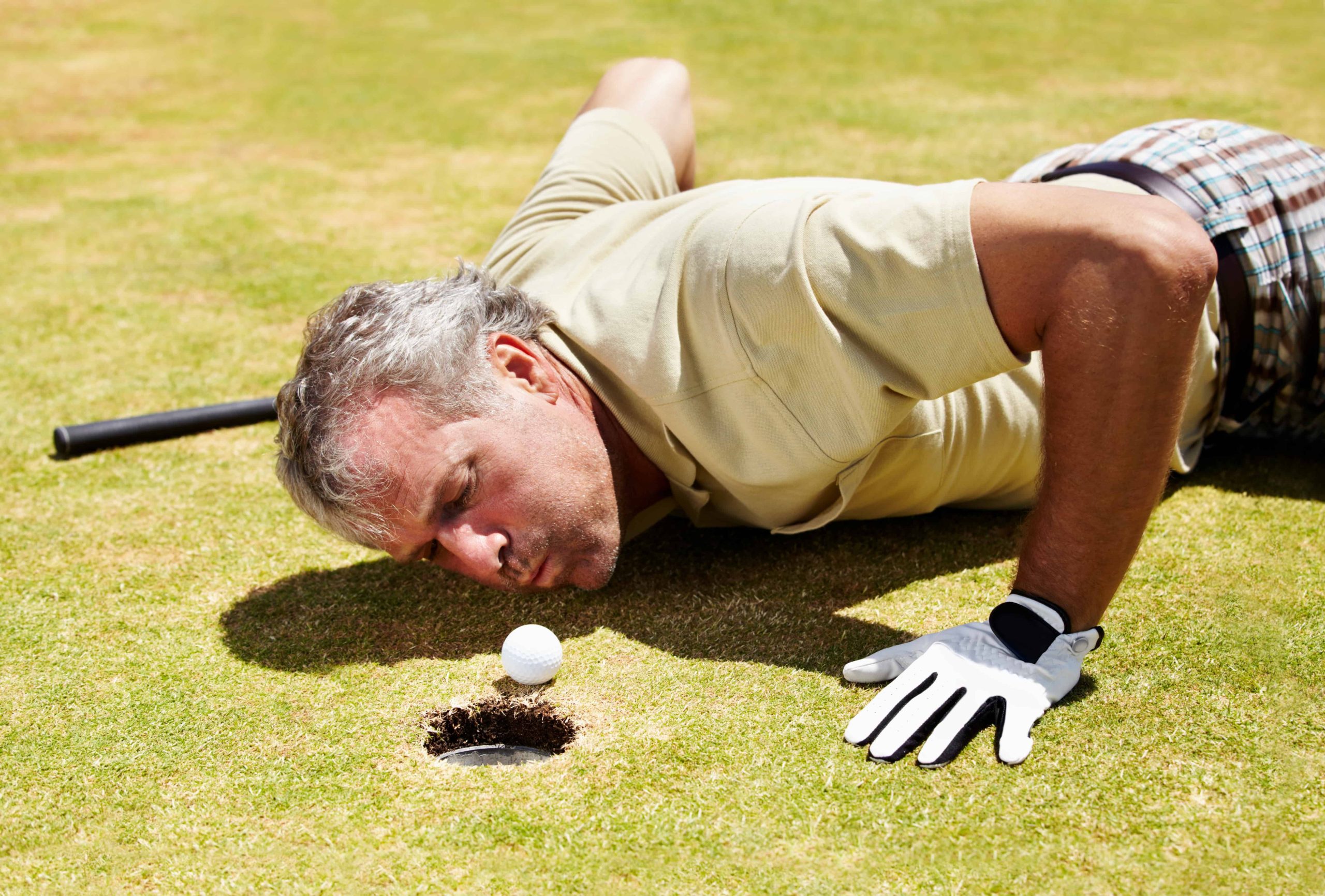
You’ve spent two hours at the range hitting 150 balls. Your back aches, your hands are sore, and tomorrow you’re supposed to play 18 holes. What do you do? Most golfers ignore recovery entirely—then wonder why they’re sore, tired, or injured. Golf is a repetitive motion sport, and without proper recovery, you risk overuse injuries (golfer’s elbow, lower back strain, rotator cuff issues). This guide covers rapid recovery techniques: stretching, nutrition, ice/heat, sleep, and active recovery. Follow these steps after every practice session, and you’ll practice more often, play better, and stay injury-free.
The 10-Minute Post-Practice Stretch Routine
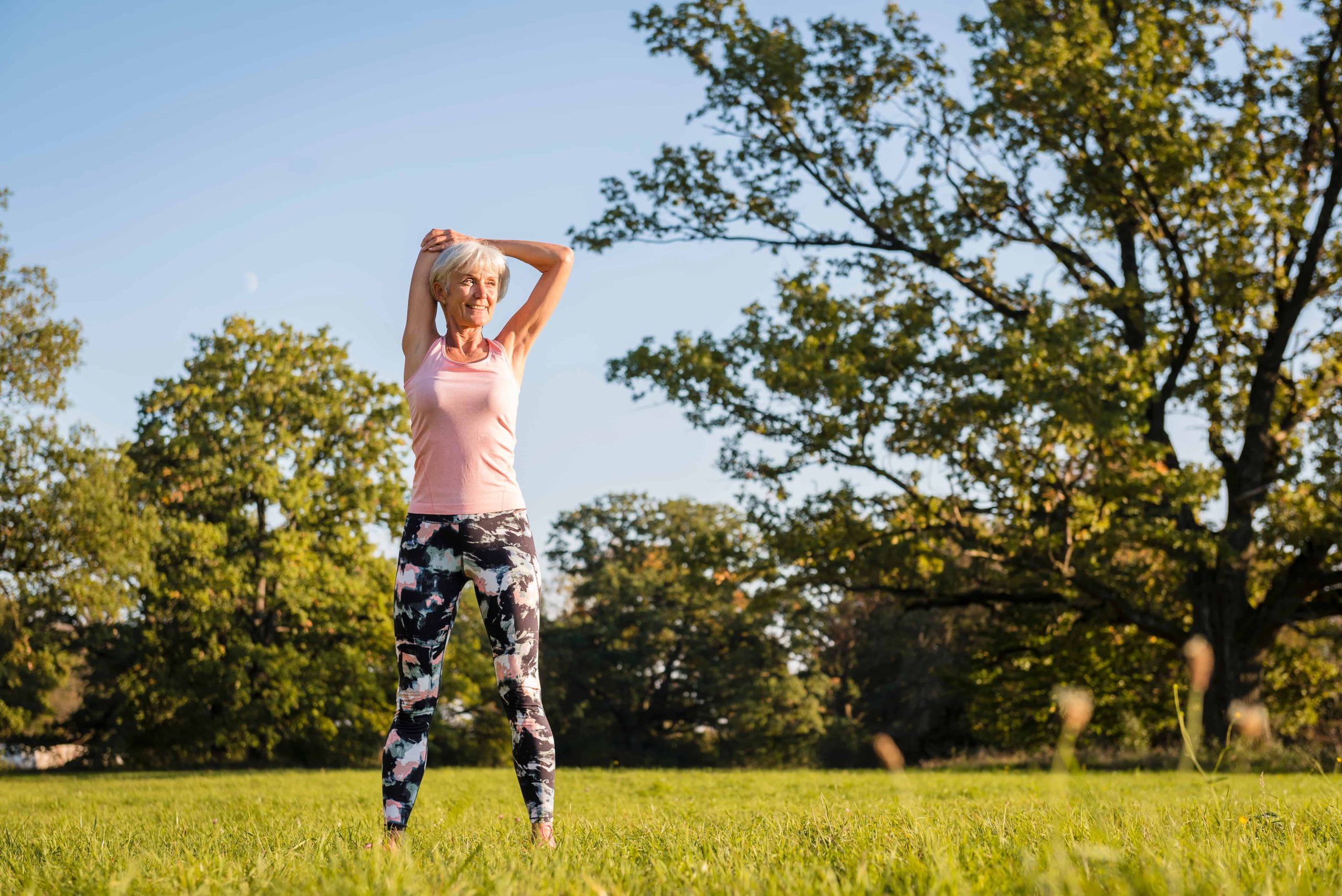
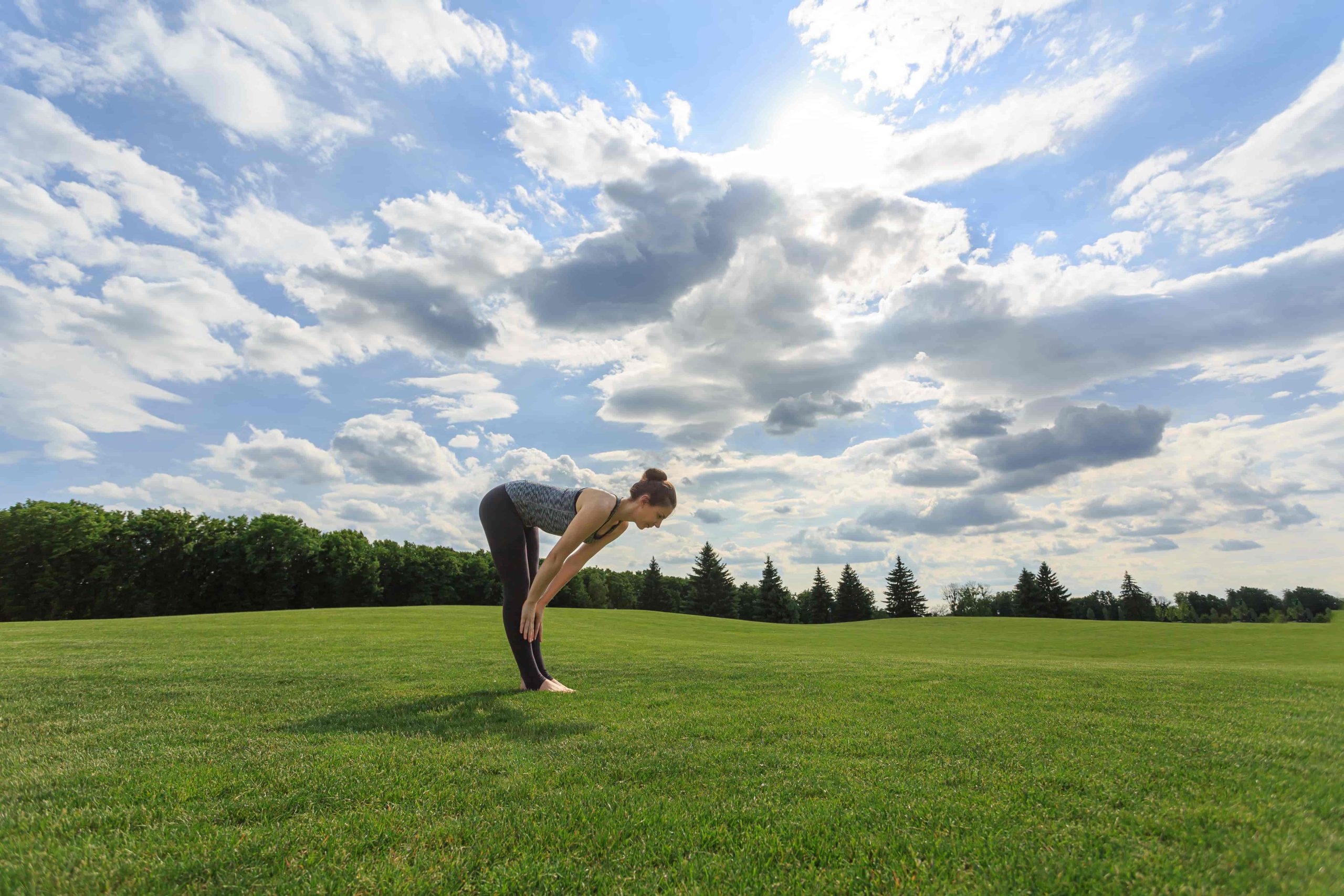
Stretching immediately after practice (when muscles are warm) prevents stiffness and improves flexibility. Perform these five stretches, holding each for 30 seconds. Lower back twist: Lie on your back, knees bent, feet flat. Drop both knees to the left while keeping shoulders flat. Hold, then switch sides. Cat-cow stretch: On hands and knees, alternately arch back (cow) and round spine (cat). Repeat 10 times. Standing hamstring stretch: Place heel on a bench or chair, keep leg straight, lean forward from hips until you feel stretch in back of thigh. Thoracic rotation: Kneel on all fours, place one hand behind head, rotate elbow toward opposite wrist, then open elbow toward ceiling. Wrist flexor/extensor stretch: Extend arm, gently pull fingers back (flexor) and push palm down (extensor). This 10-minute routine prevents the most common golf injuries: lower back strain, hamstring tightness, and wrist tendonitis. Do it immediately after your last swing, not after driving home.
Foam Rolling for Golfers: Release Trigger Points
Foam rolling (self-myofascial release) breaks up knots and improves blood flow. Focus on these areas after practice. Thoracic spine (upper back): Lie on foam roller placed horizontally under shoulder blades. Relax and let spine extend over roller. Slowly roll up and down. Lats (side back muscles): Lie on side with foam roller under armpit. Roll along lat from armpit to mid-back. Glutes: Sit on foam roller, cross one ankle over opposite knee, roll glutes on each side. Calves: Place foam roller under calf, lift hips, roll from ankle to knee. Spend 1-2 minutes on each area. Use medium pressure—too much pressure causes guarding (muscles tighten in response). If you don’t own a foam roller, use a lacrosse ball for trigger points. A standard high-density foam roller costs $20-30 and lasts years.
Ice vs. Heat: Which One and When
Post-practice recovery requires timing. Ice (cryotherapy): Use immediately after practice (first 30 minutes) if you have acute pain, inflammation, or sore joints. Ice reduces blood flow, decreasing swelling. Apply ice pack to lower back, elbows, wrists, or knees for 10-15 minutes. Never apply ice directly to skin (use a towel). Heat: Use 2+ hours after practice or the next morning. Heat increases blood flow, relaxing tight muscles. Apply warm compress or take a warm shower for 15-20 minutes. Never use heat on an acute injury (first 48 hours)—it increases swelling. For routine soreness without sharp pain, alternate ice and heat: 10 minutes ice, 10 minutes rest, 10 minutes heat. This contrast therapy flushes out metabolic waste and brings fresh blood to muscles.
Nutrition for Recovery: What to Eat and Drink
What you consume post-practice determines how quickly your muscles repair. Immediately after (first 30 minutes): Protein + carbs. The “golden window” is the first 30 minutes when muscles absorb nutrients fastest. A protein shake with 20-30g protein plus 30-50g carbs (banana, sports drink, or oats). Chocolate milk is surprisingly effective (great carb-to-protein ratio). Hydration: Weigh yourself before and after practice. Drink 20-24 oz of water for every pound lost. Add electrolytes (sodium, potassium, magnesium) if you sweat heavily. Avoid alcohol for 2-3 hours after practice—it impairs protein synthesis and dehydrates. Anti-inflammatory foods: Tart cherry juice (reduces muscle soreness), ginger, turmeric (with black pepper), fatty fish (salmon, sardines), berries, leafy greens. Avoid high-sugar processed foods—they increase inflammation.
Cold Water Immersion vs. Contrast Baths
Serious golfers use water therapy for rapid recovery. Cold water immersion (ice bath): Submerge lower body (waist down) in water 50-59°F for 5-10 minutes. Proven to reduce muscle soreness and inflammation after intense practice. Best for lower back, glutes, and leg recovery. Contrast bath: Alternate between warm (100-104°F) and cold (55-65°F) water. Typical protocol: 3 minutes warm, 1 minute cold, repeat 3-4 cycles, ending with cold. Contrast bath increases circulation and flushes metabolic waste. Use either method after intense practice sessions (100+ full swings). For light practice (range balls, putting), skip water therapy—it’s unnecessary and may reduce training adaptation (some studies show anti-inflammatory treatments can blunt muscle growth if overused).
Sleep: The Ultimate Recovery Tool
Sleep is when your body repairs muscle, consolidates motor learning, and releases growth hormone. Optimal sleep for golfers: 7-9 hours per night. A 20-30 minute nap after practice improves recovery without impairing nighttime sleep (keep naps before 3 PM). Sleep hygiene for golfers: No screens 60 minutes before bed (blue light suppresses melatonin). Bedroom temperature 65-68°F. No caffeine after 2 PM. No alcohol within 3 hours of bed (alcohol fragments sleep). Recovery-specific sleep tips: Elevate legs slightly (pillow under knees) to reduce lower back stress. Use a body pillow to keep spine neutral if you side-sleep. If practice ends late (after 8 PM), eat a light carb-protein snack (Greek yogurt, banana), finish 90 minutes before sleep to avoid digestive disruption. Some pros use wearable sleep trackers (WHOOP, Oura) to monitor recovery readiness.
Active Recovery: Keep Moving Without Stress
Complete rest (doing nothing) is less effective than active recovery—gentle movement that increases blood flow without causing fatigue. Day after practice: 15-20 minute walk (not jogging—impact is too high). Gentle yoga or tai chi. 10 minutes on a stationary bike (very low resistance). Swimming or pool walking (buoyancy reduces joint stress). What to avoid: High-intensity cardio (sprinting, CrossFit). Heavy weightlifting. Another intense practice session (wait 48 hours). Active recovery flushes out lactic acid, reduces stiffness, and prepares your body for the next practice. Many golfers make the mistake of complete rest (sitting on couch), which allows muscles to tighten. A short walk or light stretching is far better.
Hand and Wrist Recovery: Preventing Golfer’s Elbow
Golf practice stresses hands, wrists, and elbows—common sites of overuse injury. After each practice, perform these specific recovery exercises. Hand squeeze: Squeeze a tennis ball or stress ball for 2 seconds, release, repeat 20 times. Wrist curls: With light weight (1-3 lbs), perform 15 wrist curls (palm up) and 15 reverse curls (palm down). Finger extensions: Wrap a rubber band around all five fingertips, open hand against resistance. Ice massage: Freeze water in a paper cup, peel rim, and ice forearm muscles for 5 minutes. Contrast hand bath: Alternate between warm and cold water (30 seconds each) for 3 minutes. These exercises prevent medial epicondylitis (golfer’s elbow) and lateral epicondylitis (tennis elbow)—the two most common golf injuries. Do them immediately after practice, then again before bed.
Compression Gear and Recovery Tools
Several tools accelerate recovery. Compression sleeves: Wear on calves or forearms after practice to improve circulation. Not proven by rigorous studies, but many golfers report reduced soreness. NormaTec or pneumatic compression boots: Expensive ($1,000+) but effective for leg recovery. These massage legs with air pressure. Rent or buy used if you practice intensely daily. Massage gun (percussive therapy): Use on low setting for 2-3 minutes per muscle group. Avoid bony areas and spine. Good for glutes, hamstrings, and shoulders. Kinesiology tape: Apply after practice if specific areas are sore (lower back, shoulder). Tape provides sensory feedback without restricting motion. None of these tools replace stretching and nutrition—they’re supplements, not solutions. Start with cheap tools (foam roller, lacrosse ball) before investing in expensive devices.
Recovery Schedule Based on Practice Intensity
Match your recovery to practice load. Light practice (30 balls, mostly putting/chipping): 5-minute stretch only. No ice or special nutrition needed. Moderate practice (75 balls, full swing + short game): 10-minute stretch, foam roll, protein snack, 7+ hours sleep. Intense practice (150+ balls, full speed, includes driver): Full recovery protocol: 10-minute stretch, foam roll, ice lower back and wrists (10 minutes each), protein+carbs immediately, contrast bath (optional), 8+ hours sleep. Multiple practices per day (e.g., morning range + afternoon 9 holes): Do short recovery (5 minutes stretching, hydration) between sessions. Full recovery protocol at end of day. Never practice intensely two days in a row without full recovery. Overuse injuries come from cumulative fatigue, not one intense session. Listen to your body: sharp pain means stop. Dull soreness is normal.
The bottom line on post-practice recovery: Recovery is not optional—it’s as important as practice itself. The 10-minute stretch routine prevents most golf injuries. Ice immediately after practice if you have sore spots. Eat protein+carbs within 30 minutes. Get 7-9 hours of sleep. Use active recovery (walking, gentle yoga) the next day. Foam roll tight areas. Most amateurs ignore recovery and pay the price: chronic back pain, golfer’s elbow, reduced practice frequency. Take recovery seriously, and you’ll practice more often, improve faster, and enjoy golf without pain. The 30 minutes you spend recovering adds years to your golfing life.