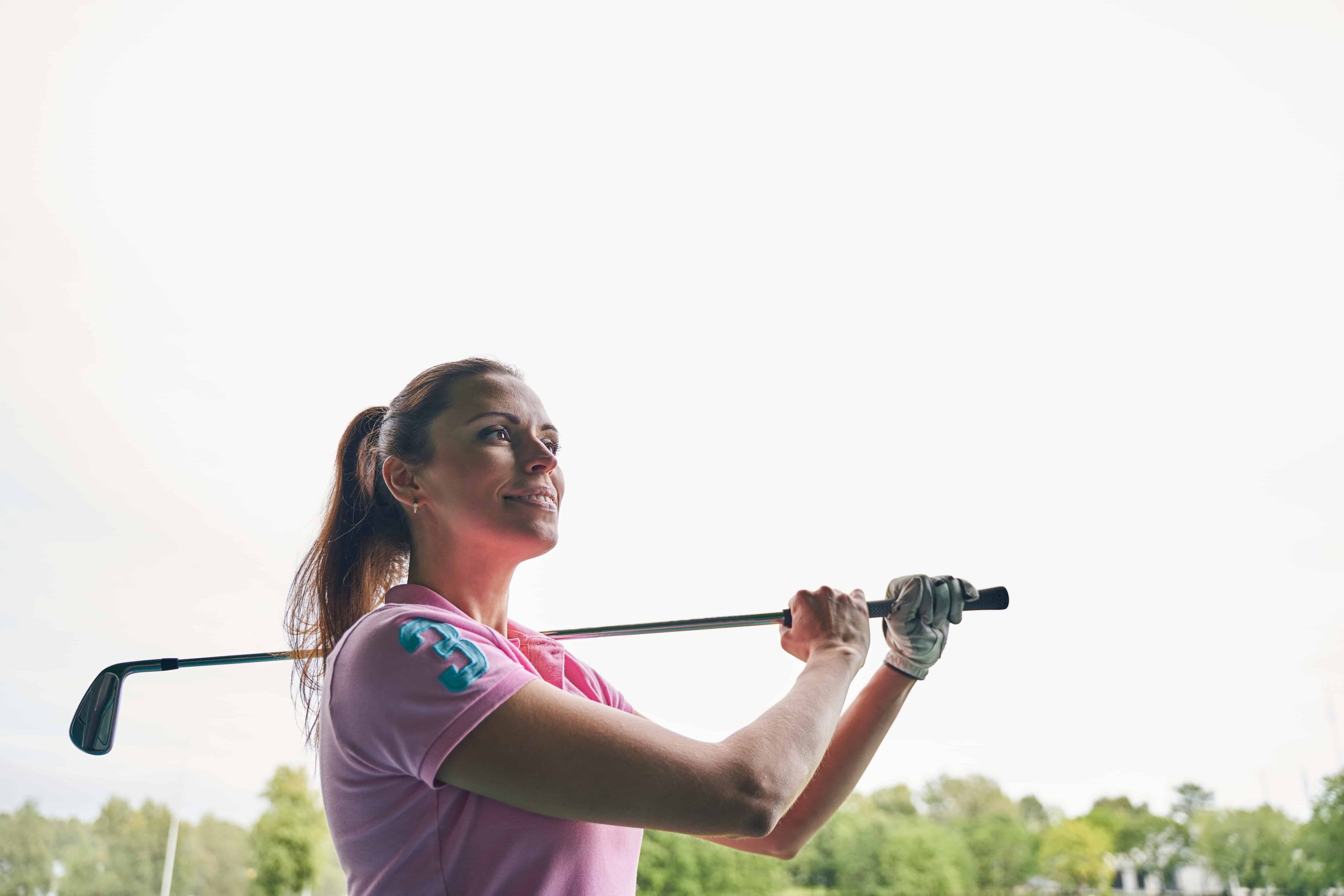

Golf looks like a low-impact sport, but the repetitive, explosive rotational motion puts tremendous stress on your body. Over 80% of golfers will experience a significant injury during their playing career. The most common sites: lower back (40% of injuries), elbow (25%), shoulder (15%), wrist (10%), and knee (10%). The good news is that most golf injuries are preventable with proper technique, conditioning, and recovery. This guide covers the most common golf injuries, why they happen, and specific prevention strategies—including exercises, equipment changes, and swing modifications.
Lower Back Pain: The Most Common Golf Injury
Lower back pain affects nearly every golfer at some point. The golf swing creates compressive and rotational forces on the lumbar spine up to eight times body weight. The cause is usually a combination of poor swing mechanics (reverse pivot, early extension, over-swinging), weak core muscles, tight hamstrings, and excessive practice without recovery. Prevention strategies: Strengthen your core with planks (3 x 60 seconds), bird-dogs, and dead bugs. Activate glutes before playing (glute bridges, 15 reps). Stretch hamstrings and hip flexors daily. Improve swing mechanics: avoid the reverse pivot (weight should shift to back foot, not sway), maintain spine angle through impact, swing at 80% effort (overswinging strains the back). Use proper posture at address—straight spine, slight knee flex, bend from hips not waist. Carry or push your bag instead of lifting. If you already have back pain, see a physical therapist and consider a more upright swing plane (less rotational stress).
Golfer’s Elbow (Medial Epicondylitis)
Golfer’s elbow is pain on the inside of the elbow, caused by repetitive flexion of the wrist and gripping. It’s common in right-handed golfers (left elbow for righties, as it’s the lead arm that stabilizes the club). The cause is typically overuse—too many balls off mats, gripping too tightly, hitting off hard ground, poor swing mechanics (casting or early release). Prevention strategies: Warm up wrists with flexor/extensor stretches (10 seconds each, repeat 3 times). Strengthen forearm muscles with wrist curls and reverse wrist curls (light weight, 15 reps). Use a larger, softer grip (mid-size or jumbo grip reduces grip pressure). Take practice swings with a “lighter” grip pressure (2-3 out of 10). Avoid hitting off mats (real grass is more forgiving). Use a compression sleeve or counterforce brace for support. Ice elbow after practice (10-15 minutes). If pain persists, rest for 2-4 weeks—playing through golfer’s elbow makes it chronic. Consider switching to graphite shafts (absorb vibration better than steel).
Rotator Cuff Injury (Shoulder)
Shoulder injuries—particularly rotator cuff tendinitis—occur from the repeated overhead motion of the backswing and follow-through. Left shoulder (for right-handers) is more vulnerable because it’s the lead shoulder stretching across the chest. The cause is often poor swing mechanics (flying elbow, over-swinging), weak rotator cuff muscles, or lack of shoulder mobility. Prevention strategies: Strengthen rotator cuff with external rotation exercises (using resistance band or light dumbbell, 3 x 15 reps). Improve shoulder mobility with cross-body stretch and sleeper stretch. During swing, keep lead arm connected to chest (use headcover under armpit drill). Don’t overswing—stop backswing when shoulder reaches chin level. Warm up shoulders with arm circles and band pull-aparts. If you have shoulder impingement, consider a flatter swing plane (less vertical shoulder tilt). After playing, ice the front of shoulder for 10-15 minutes.
Wrist Tendonitis (De Quervain’s or Extensor Carpi Ulnaris)
Wrist injuries are often overlooked but can be debilitating. De Quervain’s tenosynovitis affects the thumb side of the wrist; ECU tendonitis affects the pinky side. The cause is repetitive wrist hinging, hitting off mats (shock transfers to wrist), gripping too tightly, or poor swing mechanics (flicking wrists through impact). Prevention strategies: Strengthen wrist extensors and flexors with light dumbbell exercises (3 x 15). Use a neutral wrist position at setup (flat, not cupped or bowed). Avoid hitting off mats (real grass or high-quality mat with padding). Use larger grips (reduce wrist strain). Take breaks during practice (hit 20 balls, rest 2 minutes). If you feel wrist pain, tape the wrist for support and ice immediately after playing. Consider shock-absorbing inserts in your golf glove. If symptoms persist for more than 2 weeks, see a hand specialist—chronic wrist tendonitis can require months of rest.
Hip Pain (Labral Tear, Bursitis, Arthritis)
Hip injuries are increasingly common in golfers due to the rotational force and weight transfer. The lead hip (left for right-handers) absorbs significant force during the downswing and follow-through. The cause is limited hip mobility (especially internal rotation), weak glutes, excessive sway (lateral movement) instead of rotation, or practicing on hard surfaces. Prevention strategies: Improve hip internal rotation with 90/90 stretch (3 x 30 seconds each side). Strengthen glutes with clamshells, side-lying leg lifts, and squats. During swing, rotate around your spine, don’t sway (place alignment stick outside left hip, avoid touching it). Wear cushioned golf shoes (reduce ground reaction force). Warm up hips with leg swings and walking lunges. If you have osteoarthritis, consider using a golf cart (walking increases pain), and use a larger grip to reduce grip pressure (which reduces overall body tension).
Knee Pain (Meniscus, Arthritis, Patellar Tendonitis)
Knee injuries affect the lead knee (left for right-handers), which torques during the downswing. The cause is improper weight transfer, playing on hard ground, poor footwear (lack of lateral support), weak quadriceps and hamstrings, or pre-existing arthritis. Prevention strategies: Strengthen quads, hamstrings, and glutes with squats, lunges, and leg presses. Improve flexibility of calf muscles (tight calves pull on knee joint). During swing, allow the lead knee to flex but not twist excessively—maintain some flex through impact. Wear shoes with good lateral support (spiked shoes for wet conditions). Consider knee sleeves for compression and warmth. Warm up knees with leg swings and mini-squats. Avoid playing on frozen or extremely hard ground (excessive shock transfer). If you have knee arthritis, consider a more upright swing and limit practice on mats.
Plantar Fasciitis (Foot Pain)
Heel and arch pain from inflammation of the plantar fascia. The cause is walking 6-8 miles per round, poor arch support in golf shoes, tight calf muscles, or excessive time on practice range (standing). Prevention strategies: Replace golf shoes every 60-80 rounds (cushioning degrades). Use custom orthotics or over-the-counter arch supports (Superfeet). Stretch calves and plantar fascia daily: towel stretch (pull toes toward knee) and frozen water bottle roll under foot. Warm up feet by walking 5 minutes before playing. Avoid walking on concrete paths between holes. After rounds, ice feet (freeze water bottle, roll under foot). Change socks at the turn (dry socks reduce friction and support feet). If pain persists, see a podiatrist for custom orthotics—plantar fasciitis becomes chronic if ignored.
Prevention Through Equipment Changes
Your equipment can cause or prevent injuries. Grip size: Undersize grips increase grip pressure (wrist and elbow strain). Most amateurs need midsize or jumbo grips. Shaft flex: Too-stiff shafts require more effort, increasing muscle strain. Get fitted for proper flex. Club length: Clubs too long or short alter posture, straining back. Get length fitted. Shoe type: Spikeless shoes offer less lateral support than spiked shoes. If you have knee or hip issues, choose spiked shoes. Practice surfaces: Mats are harder on wrists, elbows, and joints than real grass. If you practice on mats, use a high-quality mat (Fiberbuilt or similar) that has padding. Balls: Premium balls with softer covers reduce shock transfer compared to cheap hard balls. A $300 equipment fitting can prevent $3,000 in medical bills.
Prevention Through Fitness and Warm-Up
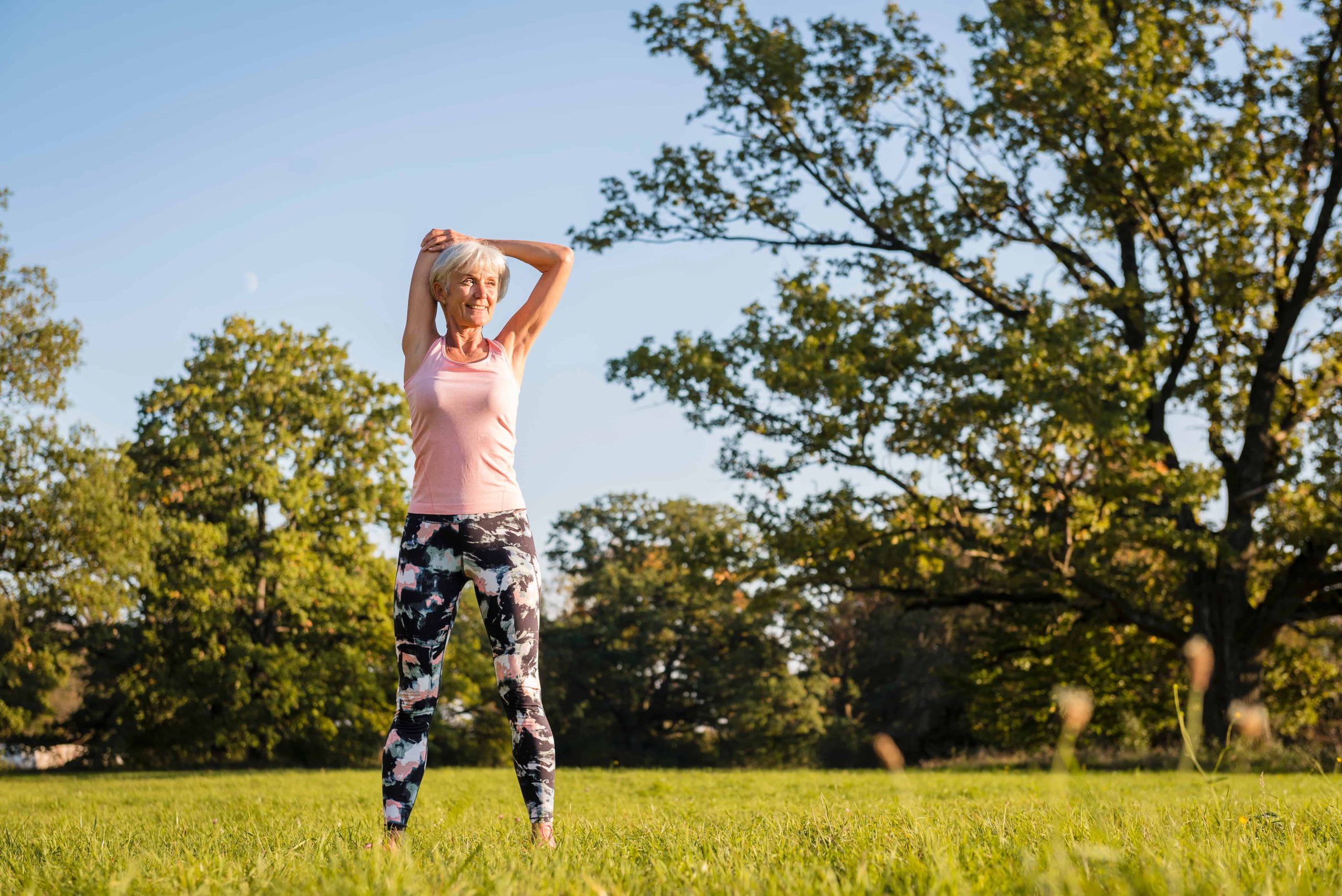
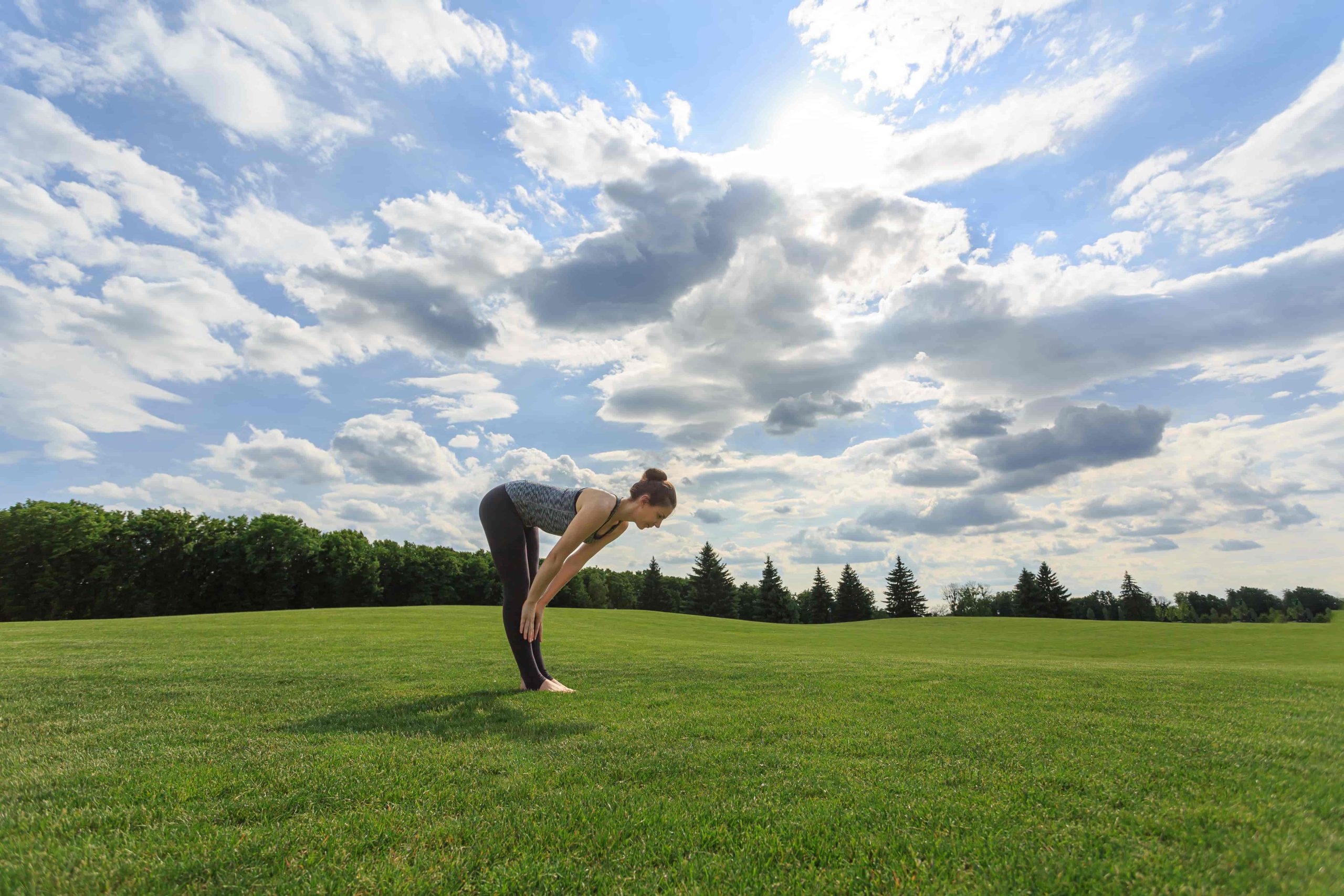
The most effective injury prevention is a consistent fitness and warm-up routine. Weekly strength training: Core (planks, bird-dogs, dead bugs) 3x per week. Glutes (bridges, squats, lunges) 2x per week. Rotator cuff (external rotations, band pull-aparts) 2x per week. Forearms (wrist curls, reverse curls) 2x per week. Daily flexibility: Hamstring stretch, hip flexor stretch, thoracic rotation, wrist flexor/extensor stretch. Pre-round warm-up (10-20 minutes): Cardio (jog, jumping jacks), dynamic stretches, activation exercises, progressive full swings. Post-round recovery: Static stretches, ice sore areas, protein+carbs within 30 minutes. Golf fitness doesn’t require a gym—bodyweight exercises at home are sufficient. A 15-minute daily routine prevents most injuries. The golfers who play into their 80s without pain are the ones who do their exercises.
When to See a Doctor: Warning Signs
Not every ache requires a doctor visit, but these signs warrant professional evaluation. Sharp pain (not dull ache) during or after swing. Pain that wakes you at night. Swelling or bruising without trauma. Loss of range of motion (can’t rotate fully). Numbness or tingling (nerve involvement). Pain lasting more than 2 weeks despite rest. Inability to grip club normally. For back pain: if pain radiates down leg, if you have weakness in legs or feet, or loss of bladder/bowel control (rare but serious). For these symptoms, see an orthopedist or sports medicine physician. Physical therapy is often more effective than surgery for golf injuries. Don’t “play through” sharp pain—it makes injuries chronic and harder to treat. One month of rest and PT is better than a year of playing with pain.
The bottom line on golf injuries: Lower back, elbow, shoulder, wrist, hip, knee, and foot injuries are all preventable with proper conditioning, warm-up, and equipment. Strengthen your core and glutes. Stretch daily. Use a dynamic warm-up before every round. Hit fewer balls off mats. Get fitted for grips, shafts, and shoes. Listen to your body—sharp pain means stop. Most golfers ignore these guidelines until they get injured. By then, it’s too late—chronic golf injuries can take months to heal and may never fully resolve. Invest 15 minutes daily in prevention, and you’ll play pain-free for decades. Golf is a lifetime sport. Protect your body like you protect your handicap.