
Golf is a sport of rotation, repetition, and explosive power—a combination that demands flexibility. Without it, you compensate with your lower back, lose swing width, and increase injury risk. The good news: targeted stretching can reverse years of tightness from sitting at desks, driving, and aging. This guide provides the essential stretching exercises every golfer should do, organized into pre-round dynamic stretches, post-round static stretches, and daily maintenance stretches. No yoga experience or special equipment required—just 10-15 minutes and a commitment to consistency.
Dynamic Stretches for Pre-Round Warm-Up (5-7 minutes)
Dynamic stretches involve movement, raising heart rate and increasing blood flow to muscles. Never static stretch cold muscles before golf. Arm circles: 30 seconds forward, 30 seconds backward. Start small, increase circle size. Loosens shoulders and upper back. Torso twists with club: Hold a club across shoulders, feet shoulder-width. Rotate torso left and right, keeping hips stable. 15 reps each side. Mimics golf rotation. Leg swings (forward/back): Hold onto a post or tree, swing one leg forward and backward. 15 reps each side. Loosens hamstrings and hips. Leg swings (side/side): Swing leg across body and back out. 15 reps each side. Opens hip adductors and abductors. Walking lunges: Step forward into lunge, keep back straight. 10 lunges per leg. Activates glutes and quadriceps. Cat-cow (dynamic): On hands and knees, alternate arching and rounding back at moderate pace. 10-15 rounds. Mobilizes entire spine. Perform these 6 exercises in sequence without resting. You should break a light sweat. This dynamic warm-up prepares your body for the golf swing and reduces injury risk by up to 50%.
Static Stretches for Post-Round Recovery (10 minutes)
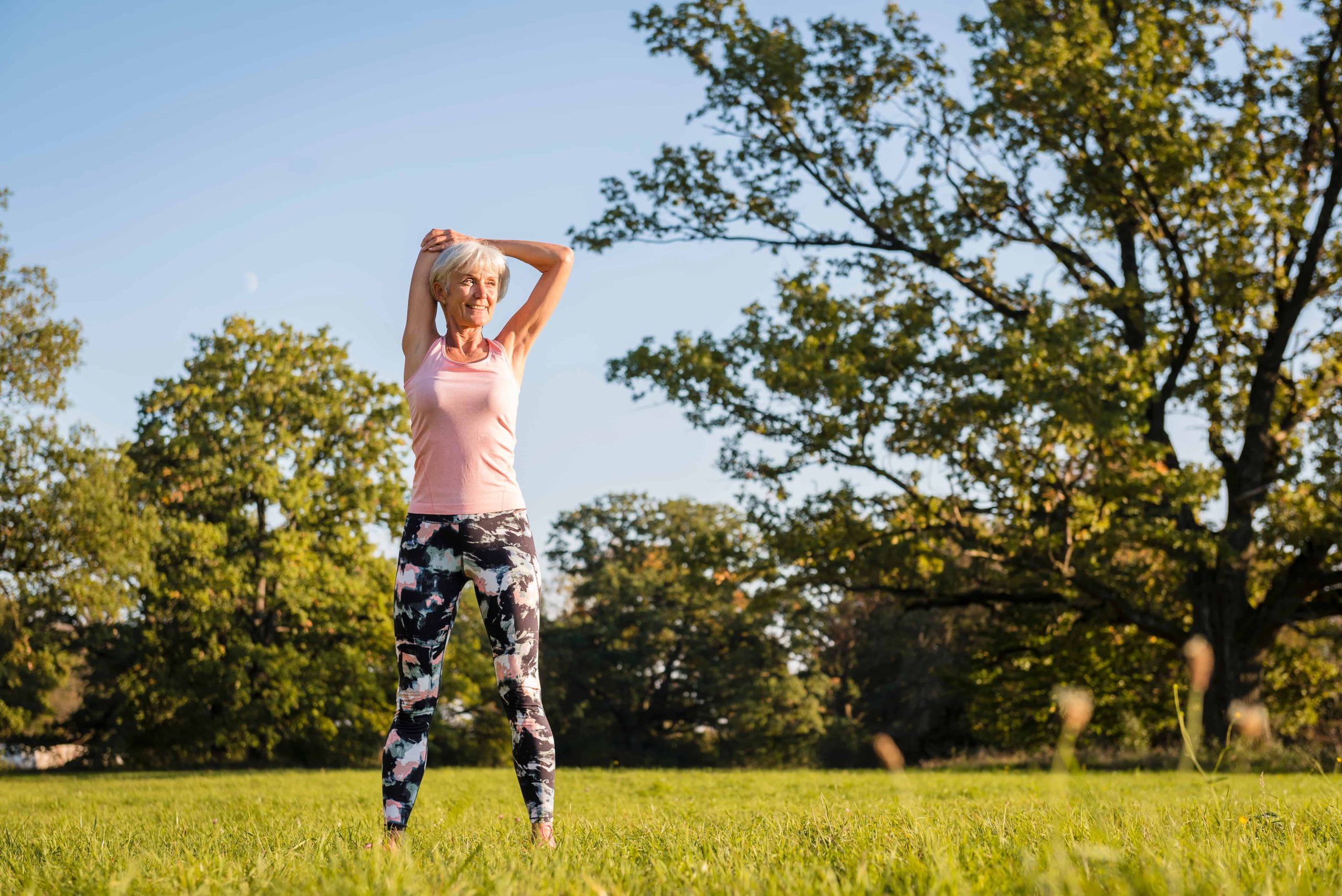
After golf or practice, muscles are warm and pliable—the ideal time for static stretches (holding a position for 20-60 seconds). These stretches prevent next-day stiffness and improve long-term flexibility. Hamstring stretch: Place heel on a bench or chair, keep leg straight, lean forward from hips. Hold 30 seconds each side. Quadriceps stretch: Stand, pull heel toward glutes, keep knees together. Hold 30 seconds each side. Hip flexor stretch: Kneel on right knee, left foot forward, lunge forward gently. Hold 30 seconds each side. Piriformis stretch (glute): Lie on back, cross right ankle over left knee, pull left leg toward chest. Hold 30 seconds each side. Lower back twist (supine): Lie on back, drop both knees to left, keep shoulders flat. Hold 30 seconds each side. Shoulder cross-body stretch: Bring right arm across chest, pull with left hand. Hold 20 seconds each side. Wrist flexor stretch: Extend arm, gently pull fingers back. Hold 15 seconds each side. Wrist extensor stretch: Extend arm, gently push palm down. Hold 15 seconds each side. Hold each stretch until you feel a gentle tension—never pain. Breathe deeply. This post-round routine prevents muscle tightening and accelerates recovery.
Daily Maintenance Stretches for Long-Term Flexibility (8-10 minutes)
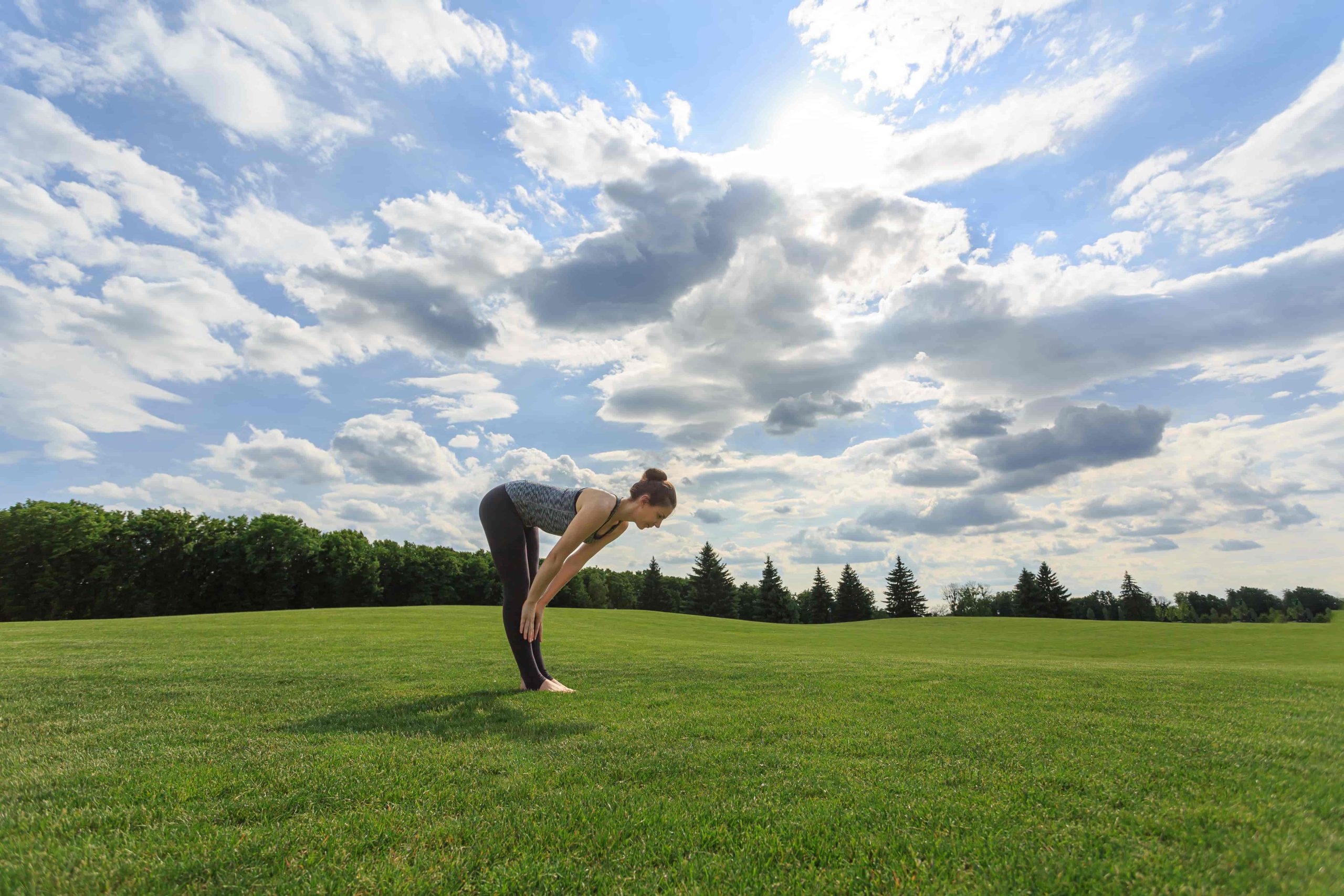
These stretches target the most common golf restrictions and should be performed daily, regardless of whether you play. Morning is best, after a brief warm-up (walking or jogging in place). Thread the needle (thoracic mobility): On hands and knees, slide right arm under left arm, lower shoulder. Hold 30 seconds each side. Pigeon pose (hip external rotation): From all fours, bring right knee toward right wrist, right foot toward left wrist. Extend left leg back. Hold 30 seconds each side. Seated spinal twist: Sit on ground, bend right knee over left leg, twist torso right. Hold 30 seconds each side. 90/90 hip stretch: Sit, both knees bent 90 degrees, one leg forward, one leg sideways. Gently lean forward. Hold 30 seconds each side. Sleeper stretch (shoulder internal rotation): Lie on right side, right arm perpendicular to body, elbow 90 degrees. Use left hand to push right forearm toward ground. Hold 30 seconds each side. Prayer stretch (wrist/flexor): Palms together in front of chest, fingers up, lower hands toward waist. Hold 30 seconds. Standing forward fold (hamstring focus): Stand, knees slightly bent, hinge from hips, let head hang. Hold 30 seconds. Perform these daily. Within 2 weeks, you’ll notice easier rotation, reduced stiffness, and fewer aches after playing. Consistency matters more than duration.
Upper Back (Thoracic) Stretches: The Golfer’s Priority
A stiff upper back forces the lower back to over-rotate—the #1 cause of golf-related back pain. These three stretches specifically target the thoracic spine. Foam roller extension: Lie on foam roller placed lengthwise along spine (head to tailbone). Arms extended overhead. Relax and let spine extend over roller. Hold 2 minutes. Best stretch for reversing “hunched” posture from sitting. Open book stretch: Lie on side, knees bent, arms extended in front. Keeping lower body still, open top arm like a book, reaching behind you. Hold open position for 10 seconds. Repeat 5 times each side. Chair thoracic rotation: Sit on chair, place left hand on left knee, right hand behind head. Rotate torso right, using left arm as leverage. Hold 20 seconds each side. Perform these daily. Most golfers will gain 10-20 degrees of thoracic rotation within 4 weeks, translating directly to a fuller backswing.
Hip Mobility: The Power Source of the Swing
Restricted hips rob power and strain the lower back. The golf swing requires hip internal rotation (lead hip) and external rotation (trail hip). Deep squat hold (Goblet squat or bodyweight): Squat as low as possible, hold for 30 seconds. Push knees outward with elbows. Opens entire hip complex. Lizard pose: From hands and knees, step right foot outside right hand. Lower left knee to ground. Hold 30 seconds each side. Half kneeling hip flexor stretch with twist: Kneel on right knee, left foot forward. Place right hand on ground, twist torso left, reaching left arm toward ceiling. Hold 30 seconds each side. Supine figure-four: Lie on back, cross right ankle over left knee, pull left leg toward chest. Hold 30 seconds each side. Improved hip mobility transfers directly to increased clubhead speed and reduced lower back torque. Many golfers gain 5-10 mph in swing speed simply from opening their hips.
When to Stretch: Best Times for Each Routine
Timing matters as much as technique. Morning (after waking): Daily maintenance stretches. Muscles are stiffest after sleep. Move gently, hold for shorter durations first. Before golf (within 30 minutes of tee time): Dynamic warm-up only (no static stretches). Save static stretches for after. After golf (immediately after round): Post-round recovery static stretches. Muscles are warm, pliable, and will respond best. Day after golf (if sore): Light dynamic movements plus foam rolling. Avoid intense static stretching of sore muscles—gentle movement is better. Before bed: Gentle static holds (30 seconds each) of tight areas. Promotes overnight recovery. Never stretch a cold muscle intensely (e.g., waking up and immediately doing deep lunges). Always warm up with 3-5 minutes of walking, jogging in place, or jumping jacks before any stretching session.
Common Stretching Mistakes Golfers Make
Avoid these errors that waste time or cause injury. Bouncing (ballistic stretching): Old-school bouncing stretches cause micro-tears and trigger stretch reflex (muscle tightens to protect itself). Hold stretches statically instead. Holding breath: Oxygen deprivation increases muscle tension. Breathe deeply and rhythmically. Stretching to pain: Stretch to mild tension, not pain. Pain indicates tissue damage. Holding too short: 10-second holds do almost nothing. Hold 20-30 seconds minimum for static stretches. Static stretching cold (pre-round): Reduces power output and increases injury risk. Save static for post-round. Stretching only when injured: Stretching is preventive, not just reactive. Daily maintenance prevents injuries. Ignoring one side: Golf is asymmetrical. Tightness may be worse on lead side. Always stretch both sides equally. If you have time for only one stretch, do thoracic rotation and hip mobility—they deliver the most benefit per minute for golfers.
Equipment That Helps Stretching
You don’t need fancy equipment, but these inexpensive tools improve effectiveness. Foam roller ($20-30): Use for thoracic extension, hamstrings, and lats. Standard high-density roller is fine—you don’t need the knobby “rumble roller” unless you’re very athletic. Yoga mat ($15-25): Provides cushioning for ground stretches. Any generic mat works. Stretching strap or yoga belt ($5-10): Helps with hamstring and shoulder stretches. A bathrobe belt or tied towel works as substitute. Lacrosse ball or massage ball ($5-10): For trigger point release in glutes, shoulders, and forearms. Resistance band light ($10): For shoulder dislocations and external rotation exercises. Total investment under $60. Many golfers already own these items. The most important equipment is your commitment—stretching 10 minutes daily costs nothing but time and prevents thousands in medical bills.
The bottom line on stretching for golfers: Every golfer needs three stretching routines: dynamic pre-round (5-7 minutes), static post-round (10 minutes), and daily maintenance (8-10 minutes). Focus on four key areas: thoracic spine (upper back), hips (internal/external rotation), hamstrings, and shoulders. Use dynamic stretches before playing and static stretches after. Perform daily maintenance stretches regardless of whether you play. Avoid bouncing, breath-holding, and stretching to pain. Within 4 weeks of consistent practice, you’ll notice less lower back strain, a fuller backswing, and less next-day soreness. Golf is a lifetime sport. Protect your body with the same dedication you apply to your swing—and you’ll play pain-free for decades.