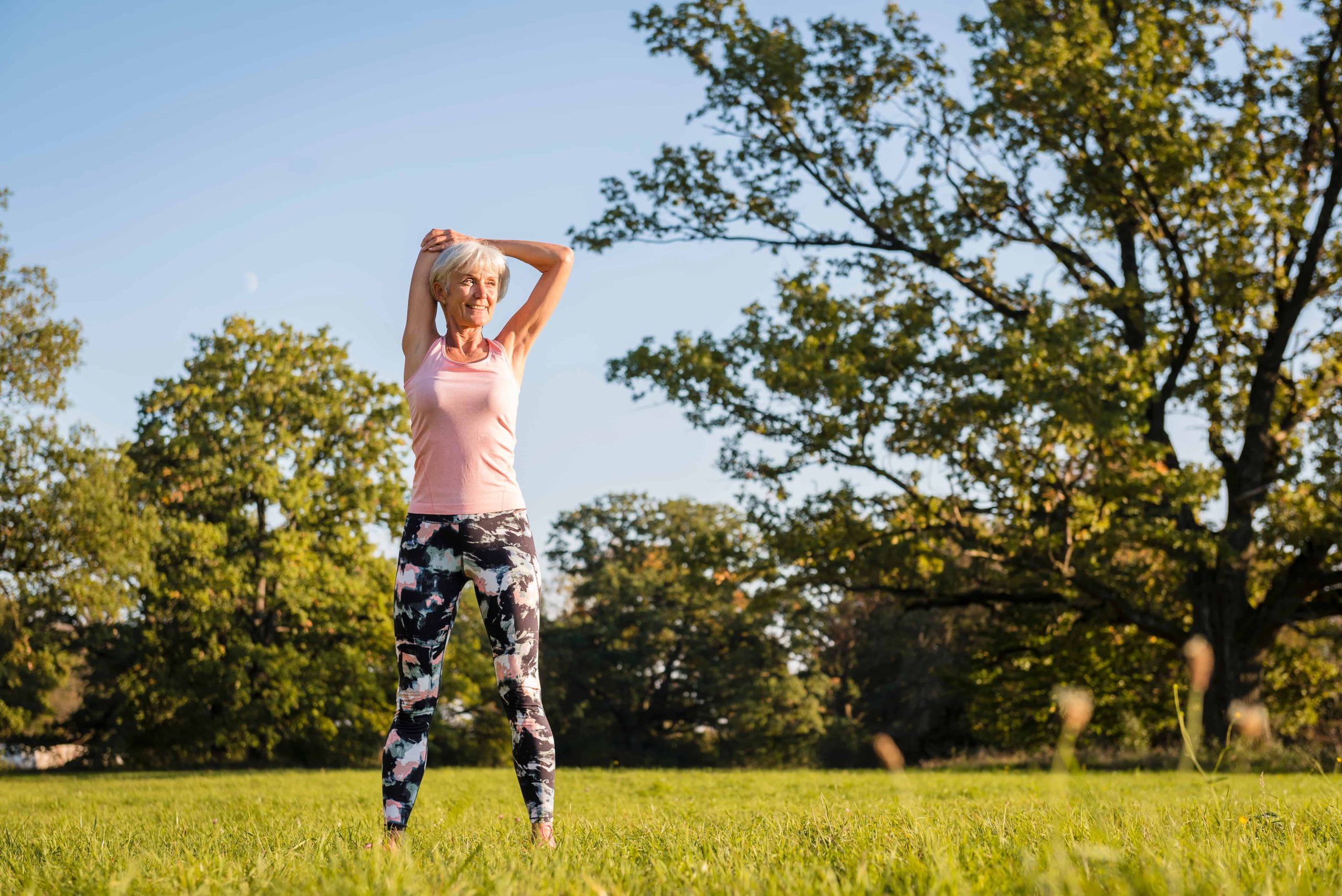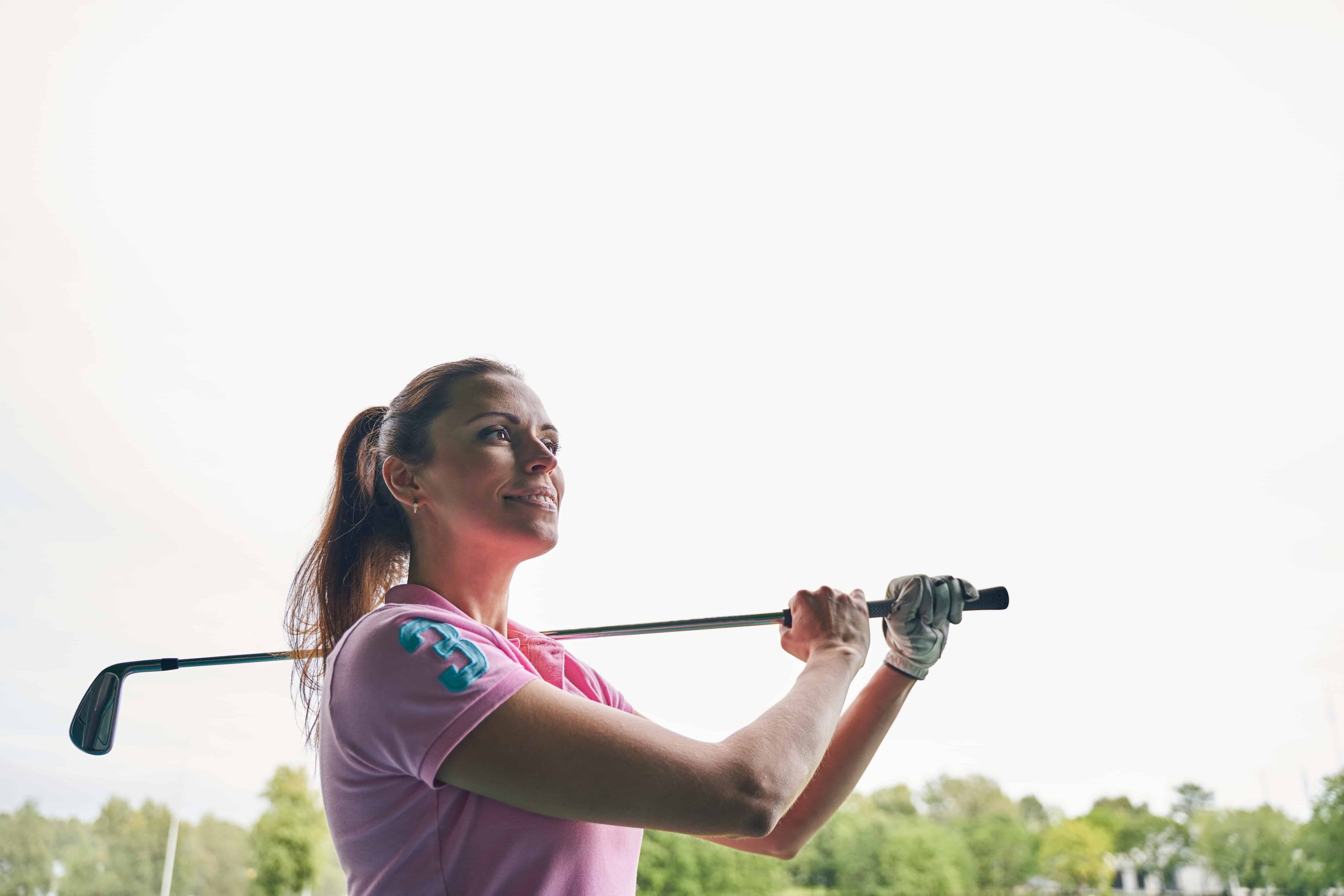

You’ve heard it before: golf is a sport, not just a hobby. But most golfers treat fitness like an afterthought—until injuries or declining performance force a change. This 30-day golf fitness challenge is different. It’s designed specifically for golfers, requires no gym membership, and takes only 15-20 minutes per day. You’ll improve core strength, rotational power, flexibility, and balance—the four pillars of golf fitness. No equipment needed (optional resistance band and foam roller). Commit to 30 days, and you’ll finish with more clubhead speed, less lower back pain, and better swing control.
How the Challenge Works
The 30-Day Golf Fitness Challenge is divided into 4 weekly phases, each building on the previous week. Each day includes: Warm-up (2 minutes): Jogging in place, arm circles, torso twists. Main workout (10-12 minutes): 3-4 exercises performed as circuits. Cool-down stretches (3-5 minutes): Static holds for key golf muscles. You’ll need a timer (phone works), a mat or towel, and optional resistance band and foam roller. Rest days are built in: take Day 7, Day 14, Day 21, and Day 28 as complete rest or active recovery (light walking). Most exercises are bodyweight; modifications are provided for each. Track your progress: note how you feel each day (energy, soreness, swing changes). By Day 30, you’ll have performed over 100 exercises specifically chosen to improve your golf swing. Consistency matters more than intensity—show up every day and do the work, even if you reduce repetitions.
Week 1: Foundation and Activation (Days 1-6)
Week 1 focuses on waking up dormant muscles: glutes, core, and shoulders. Day 1-2: Glute bridges (3 x 15), bird-dogs (3 x 10 each side), planks (3 x 20 seconds), cat-cow stretch (10 rounds). Day 3-4: Dead bugs (3 x 10 each side), side-lying leg lifts (3 x 12 each side), standing hamstring stretch with belt (2 x 30 sec each side), thoracic rotations on hands and knees (3 x 10 each side). Day 5-6: Bodyweight squats (3 x 12), reverse lunges (3 x 10 each leg), band pull-aparts (if you have a band, 3 x 15), child’s pose stretch (2 x 30 seconds). Each day’s workout takes 10-12 minutes. Do not skip warm-up or cool-down. Expect some muscle soreness (especially glutes and core)—this is normal. If any exercise causes sharp pain, skip it or reduce range of motion. Week 1 builds awareness of posture and activation. By Day 6, you should feel more stable in your setup position.
Week 2: Core and Rotation (Days 8-13)
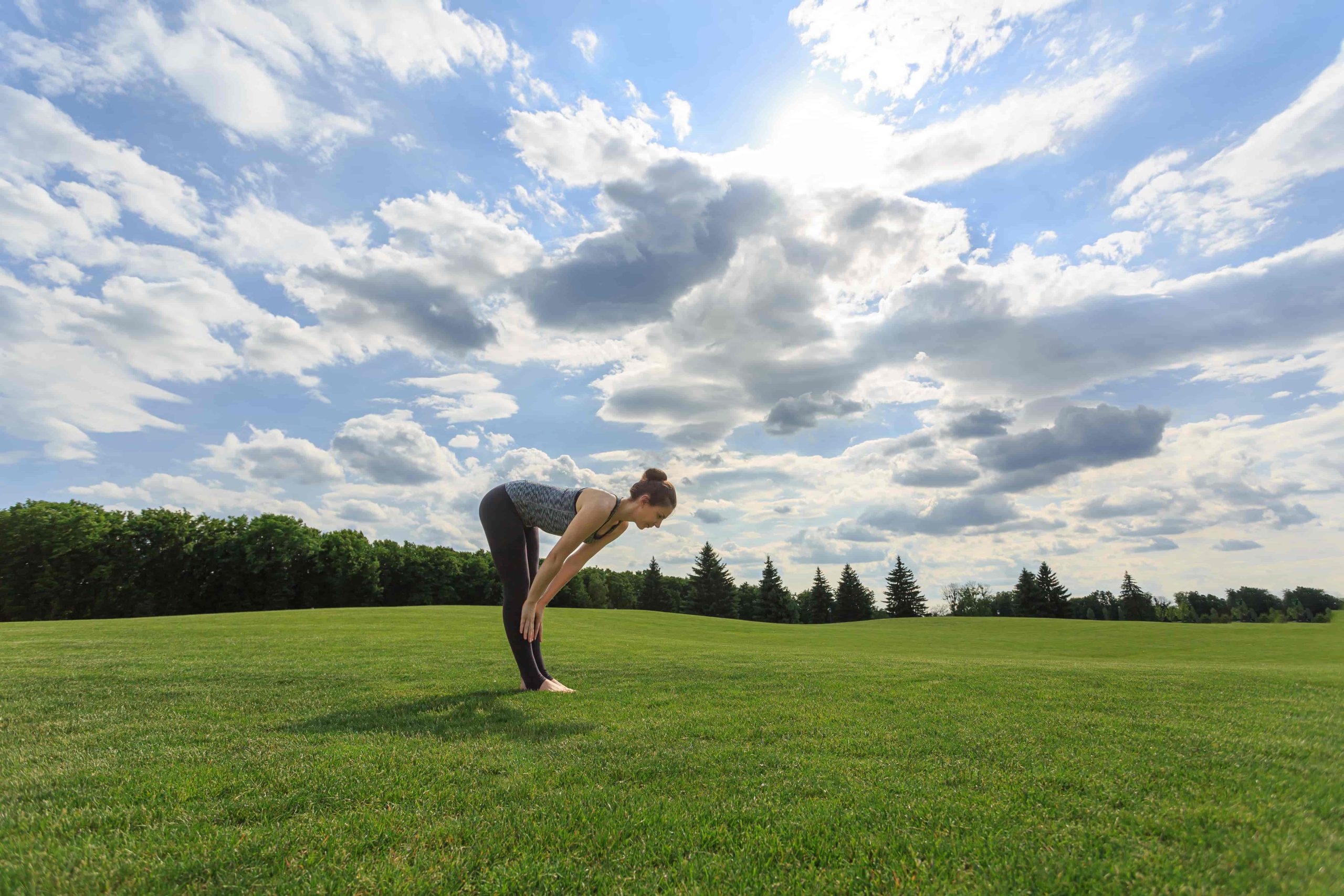
Week 2 adds rotational exercises that mimic the golf swing and deepens core work. Day 8-9: Russian twists (3 x 12 each side), side planks (3 x 20 seconds each side), glute bridges with 2-second hold (3 x 12), standing torso twists with resistance band or club (3 x 15 each side). Day 10-11: Woodchoppers (imaginary or with light weight, 3 x 12 each side), bicycle crunches (3 x 15 each side), single-leg glute bridges (3 x 10 each side), kneeling hip flexor stretch with twist (2 x 30 sec each side). Day 12-13: Plank with shoulder taps (3 x 10 each side), seated spinal twist (3 x 30 seconds each side), bird-dogs with 3-second hold (3 x 8 each side), standing forward fold (2 x 30 seconds). Week 2 introduces rotational strength—the foundation of clubhead speed. Focus on controlled movement, not speed. You may feel new muscles in your obliques (side abs). This is progress. By Day 13, your ability to rotate while keeping hips stable should improve noticeably.
Week 3: Power and Balance (Days 15-20)
Week 3 adds explosive movements and single-leg balance work. Day 15-16: Squat jumps (low height, 3 x 8), single-leg Romanian deadlifts (bodyweight, 3 x 8 each leg), mountain climbers (3 x 20 total), foam roller thoracic extension (2 minutes). Day 17-18: Lateral lunges (3 x 10 each side), plank to down dog (3 x 10), rotational lunges (lunge and twist torso, 3 x 8 each side), standing balance on one leg with eyes closed (3 x 20 seconds each leg). Day 19-20: Box jumps or step-ups (low box, 3 x 8), side planks with leg lift (3 x 10 each side), medicine ball slams (or imaginary, 3 x 10), figure-four hamstring stretch (2 x 30 sec each side). Week 3 is the most challenging. Expect increased heart rate and some muscle fatigue. If squat jumps hurt knees, replace with air squats. Balance exercises directly improve swing stability—you’ll notice less sway and better weight transfer. By Day 20, your cardiorespiratory fitness will also improve, helping you stay focused on the back nine.
Week 4: Integration and Golf-Specific Moves (Days 22-27)
The final week combines all elements into golf-specific sequences. Day 22-23: Full golf swing simulation with resistance band (3 x 10 swings each side), pallof press (with band, 3 x 10 each side), single-leg glute bridge on a stability ball or chair (3 x 10 each leg), yoga’s triangle pose (2 x 30 sec each side). Day 24-25: Lateral band walks (if you have band, 3 x 10 steps each direction), rotational push-ups (push-up then rotate into side plank, 3 x 5 each side), skater jumps (3 x 8 each side), 90/90 hip stretch (2 x 30 sec each side). Day 26-27: Full routine: warm-up, then 3 rounds of (10 full swinging motions with club, 10 bird-dogs, 10 Russian twists, 5 squat jumps), finish with cool-down stretches. Week 4 integrates everything you’ve built: stability, rotation, power, flexibility. The full swing simulation with resistance band is particularly valuable—it trains the exact movement pattern of golf under load. By Day 27, you should feel noticeably stronger in your core and glutes, with improved rotational range and less back strain during practice swings.
Daily Warm-Up (2 Minutes, Every Day)
Do these movements before every workout. Never skip warm-up. 30 seconds: Jog in place or jumping jacks. 30 seconds: Arm circles (15 forward, 15 backward). 30 seconds: Torso twists with arms crossed (15 each side). 30 seconds: Leg swings (forward/back, 10 each leg, then side/side, 10 each leg). This routine raises heart rate, lubricates joints, and prepares muscles for exercise. On rest days, you can do just the warm-up and cool-down as active recovery.
Cool-Down Stretches (3-5 Minutes, Every Day)
After every workout, hold each stretch for 20-30 seconds. Hamstring stretch: Place heel on chair, lean forward. Each side. Quadriceps stretch: Stand, pull heel toward glutes. Each side. Hip flexor stretch: Half-kneeling lunge position. Each side. Piriformis stretch (glute): Lie on back, cross ankle over knee, pull leg toward chest. Each side. Supine twist (lower back): Lie on back, drop knees to one side. Each side. Cat-cow stretch: On hands and knees, 10 slow rounds. Child’s pose: Kneel, sit back on heels, fold forward, arms extended. Hold 30 seconds. This cool-down prevents next-day stiffness and improves long-term flexibility. Do not skip cool-down even on days you’re rushed—it’s when your muscles actually lengthen and recover.
Tracking Your Progress
Use a simple log or notes app to track daily. Record: date, exercises completed, repetitions, energy level (1-10), soreness (1-10), and any swing observations. Baseline tests (do before Day 1 and after Day 30): How many glute bridges can you do in 60 seconds? How long can you hold a plank (max time)? Can you clasp hands behind back (measure hand overlap distance)? Single-leg balance eyes closed (seconds). Also record a swing video before and after. After 30 days, repeat these tests. Most participants improve plank hold by 50%, glute bridge reps by 30-50%, and balance duration by 100%+. Swing video will show better posture, reduced sway, and fuller shoulder turn. The improvements are measurable and visible.
Modifications for Beginners and Advanced Golfers
For beginners (high handicap, deconditioned): Reduce repetitions by 30-40% (e.g., 10 reps instead of 15). Skip explosive moves (squat jumps, skater jumps) — do bodyweight squats instead. Hold planks on knees. Use a chair for balance during single-leg exercises. Take an extra rest day if sore. The challenge is not about keeping up—it’s about showing up. For advanced golfers (low handicap, already fit): Add weight (light dumbbells, medicine ball). Increase repetitions to 15-20 per set. Add a second round to each circuit (4 sets instead of 3). Hold stretches for 45-60 seconds. Add plyometric moves (higher jumps, faster transitions). Challenge balance by standing on a pillow or BOSU ball. Track baseline tests and push for personal records. Both beginners and advanced golfers will benefit—the key is scaling intensity to your current fitness.
Troubleshooting: Common Issues and Solutions
Lower back pain during exercises: Stop. You’re likely arching back during planks or bridges. Engage core by pulling belly button toward spine. Reduce range of motion. If pain persists, skip that exercise. Knee pain during lunges: Shorten lunge length. Keep weight in front heel. Don’t let knee travel past toes. Use a chair for support. Shoulder pain during planks or push-ups: Do planks on knees. Reduce time. Check form: hands should be directly under shoulders, not wider. No time for full workout: Do warm-up and one circuit only (10 minutes). Or break into two 5-minute sessions (morning/evening). Consistency beats duration. Feeling too sore to continue: Take an extra rest day. On rest day, do only warm-up and gentle stretching. Return to previous day’s workout, not the next day’s. Boredom: Rotate music, listen to podcast, or vary environment (outside vs. inside). The 30 days will pass anyway—you might as well be fitter at the end.
The bottom line on the 30-Day Golf Fitness Challenge: This challenge works if you work it. Commit to 15-20 minutes daily for 30 days. No missed days except planned rest days (Day 7, 14, 21, 28). Do the warm-up, main workout, and cool-down. Scale intensity to your fitness level. Track your progress. By Day 30, you will have built core strength, rotational power, flexibility, and balance—the four pillars of golf fitness. You’ll feel more stable in your setup, rotate more freely, generate more clubhead speed, and finish rounds with less fatigue and back pain. Golf is a sport. Train for it. Start Day 1 tomorrow—no excuses.